

A Guide To Street Photography in Istanbul

Istanbul street photography is about learning to make sense of a city where an extraordinary amount of life happens in public. Markets, cafés, mosques, ferries and neighbourhood streets bring people together, creating constantly changing combinations of gesture, light and movement.
For a documentary and street photographer, that density of activity makes Istanbul particularly rewarding. I find myself looking for relationships between people rather than isolated subjects: someone passing through a patch of light, figures appearing at different distances within the frame, or several small moments coming together to create a layered photograph.
The character of the city also changes enormously between neighbourhoods. Karaköy has a very different rhythm from Balat, while the streets surrounding Eyüp offer something different again. Markets and bazaars provide concentrated activity, while ferries and the waterfront introduce space, movement and changing light. Part of the pleasure of street photography in Istanbul is learning these different rhythms and deciding when to stand still rather than continually searching for the next photograph.
In this Istanbul street photography guide, I’ll share some of the locations I’ve found most rewarding, how I approach photographing the city, the equipment I use and some practical advice for working on Istanbul’s streets. More importantly, I’ll explore how slowing down, observing carefully and building layers within the frame can help turn a busy street scene into a photograph that tells a story.

Why Istanbul Is Such a Great City for Street Photography
Istanbul has become one of my favourite cities for street photography, largely because of the extraordinary variety of everyday life happening in public. Markets, cafés, mosques, workshops, ferries and neighbourhood streets constantly bring people together, giving photographers opportunities to observe relationships, gestures and moments rather than simply searching for interesting backgrounds.
The city is particularly good for the kind of layered street photography I enjoy. Busy streets and markets allow you to work with several subjects at once, building compositions with people at different distances within the frame. Doorways, windows, reflections and patches of light can all be used to separate those elements and bring some order to what initially appears to be chaos.
Istanbul also changes dramatically from one neighbourhood to another. The activity around the Grand Bazaar is completely different from the quieter residential streets of Balat, while areas such as Karaköy and Eyüp each have their own character and rhythm. Rather than trying to cover the entire city, I prefer spending time in a relatively small area, watching how people use the streets and returning to promising locations as the light and activity change.
The weather can add another dimension. Strong sunlight creates deep shadows and graphic shapes, while rain transforms pavements and windows into reflective surfaces. I photograph Istanbul in both colour and black and white, although I often find myself drawn towards black-and-white street photography here, particularly when the photograph is more about people, light and composition than colour.
I have also found Istanbul an extremely welcoming city in which to photograph. Conversations often begin simply because somebody is curious about what I’m doing, and stopping for a glass of Turkish tea can lead somewhere considerably more interesting than whatever photograph I originally thought I was looking for.
That openness towards photography is reflected in the city’s photographic culture too. There are numerous camera shops and photography-related cafés, including Monochrome, which has become one of my favourite places to stop between periods of photographing the streets.
For me, that’s what makes street photography in Istanbul so rewarding. It isn’t simply the number of potential subjects. It’s the combination of people, light, movement and public life that allows you to stay in one place, observe carefully and wait for several elements to come together within the frame.

My Camera Gear for Istanbul Street Photography
When it comes to camera gear for street photography in Istanbul, I prefer to keep things as simple and lightweight as possible. I spend much of the day walking, so carrying less equipment allows me to concentrate on what is happening around me rather than constantly thinking about lenses and cameras.
My main camera is a Sony A1, paired with the small Zeiss 35mm f/2.8. The 35mm focal length accounts for more than 90% of my street photography and suits the way I like to work. It’s wide enough to build several elements into a layered composition, while still allowing me to work close to people and remain part of the scene.
I carry a small Billingham Hadley camera bag with a 24mm and 55mm lens as alternatives, although they rarely leave the bag. Working predominantly with one camera and one lens removes unnecessary decisions and helps me become instinctive about where I need to stand and what will fit within the frame.
I also use a simple Gordy wrist strap rather than a conventional camera strap, keeping the camera in my hand and ready when I’m working on the street.
Beyond the photographic equipment, two things are particularly useful when photographing Istanbul: a lightweight waterproof jacket for sudden changes in weather and, more importantly, a genuinely comfortable pair of walking shoes. Istanbul is best explored on foot, and it’s quite easy to spend an entire day walking and photographing without realising quite how far you’ve travelled.
My approach is simple: one camera, one 35mm lens and as little equipment between me and the photograph as possible.

Street Photography Locations in Istanbul
Karaköy
Karaköy is one of my favourite areas for street photography in Istanbul. It combines old commercial streets, cafés, workshops and waterfront life within a relatively compact neighbourhood, making it somewhere you can explore slowly rather than constantly moving from one location to another.
The narrow streets provide plenty of opportunities to work with layers, light and backgrounds. Older buildings sit alongside contemporary cafés, street art and small independent shops, while local residents, workers and visitors constantly move through the same spaces. That mixture can create interesting relationships within the frame, particularly if you’re prepared to find a composition and wait for the right people to enter it.
Move towards the waterfront and the character changes again. Fishermen, commuters and people crossing between neighbourhoods provide a different kind of street photography, with the Golden Horn, Galata Bridge and Bosphorus becoming part of the environment rather than simply landmarks to photograph.
I particularly enjoy looking for compositions where the architecture, people and activity can all contribute something to the photograph. Doorways, windows, café tables and narrow streets can create natural separation between subjects, making Karaköy particularly rewarding for the layered street photography I enjoy.
The area works at different times of day. Morning tends to offer quieter streets and cleaner compositions, while later in the afternoon and early evening there is considerably more activity. Rather than trying to photograph everything, I’d recommend choosing a few promising streets or backgrounds and returning to them as the light and people change.
For me, that’s the real strength of Karaköy street photography: within a relatively small area, you can move between intimate street scenes, busy public spaces and the waterfront while still having time to slow down and allow photographs to develop.

Balat
Balat is another rewarding neighbourhood for street photography in Istanbul. It has become increasingly popular with visitors, but move beyond the most photographed streets and there is still plenty of everyday life to observe and photograph.
The neighbourhood is immediately recognisable for its colourful houses, steep cobbled streets and older architecture. Those colours can provide strong backgrounds, but rather than photographing the buildings themselves, I prefer to use them as part of the composition and wait for people to bring the frame to life.
Balat also has a growing café culture, with traditional businesses sitting alongside newer coffee shops and restaurants. This mixture of old and new creates interesting contrasts, with residents, shopkeepers, children, visitors and café customers often sharing the same relatively small spaces.
For layered street photography, look beyond the obvious colourful façades. The steep streets, doorways, windows, café tables and people appearing at different levels can give you several planes within a single frame. Find a strong background first, pay attention to the edges and then wait for the different elements to separate and come together.
Although parts of Balat can become busy with tourists, that doesn’t necessarily make them poor locations for street photography. Tourists are part of contemporary Istanbul too, and the interaction between visitors and local life can sometimes produce more interesting photographs than trying desperately to pretend they aren’t there.
For me, Balat street photography works best when you move slowly and explore beyond the handful of famous Instagram locations. The colour may initially attract your attention, but the people and relationships within the streets are what ultimately make the photographs interesting.

Eyüp Sultan Mosque
If your interest is documentary and street photography in Istanbul, I would generally recommend spending less time around the Blue Mosque and travelling a little further out to Eyüp Sultan Mosque. It receives far fewer international visitors and has become one of the places I return to whenever I’m photographing Istanbul.
Situated close to the Golden Horn, Eyüp Sultan Mosque is an important religious and pilgrimage site. Families, worshippers and pilgrims arrive throughout the day to pray and spend time around the mosque, while the surrounding streets are filled with cafés, small shops and vendors selling food and religious items.
For a documentary photographer, it is a fascinating place to spend time, but it also requires sensitivity. I don’t arrive looking simply for photographs of religious practice. I prefer to stay for several hours, observe what is happening and allow people to become accustomed to my presence before deciding when it feels appropriate to photograph.
On my last visit, after I’d spent considerable time around the mosque, I was approached by the imam, who wanted to know who I was and why I was taking photographs. We talked for some time about photography and why I was interested in documenting everyday life around Eyüp.
That conversation eventually resulted in something I could never have planned: he invited us back to his home for breakfast.
For me, experiences like this are an important part of documentary photography. The photograph may be the reason I initially stop somewhere, but curiosity about people and a willingness to spend time talking to them can lead to experiences that are considerably more memorable than the photograph itself.
Photographically, the streets surrounding Eyüp Sultan Mosque offer opportunities to work with families, vendors, pilgrims and everyday neighbourhood life, while the courtyards and architecture provide natural frames, layers and areas of changing light.
But I wouldn’t approach Eyüp as somewhere to rush through collecting photographs. Give it time. Sit down. Have a tea. Watch how people move through the space and understand something of what is happening around you.
The longer I’ve worked as a photographer, the more convinced I’ve become that access often comes not from asking to get closer, but simply from being prepared to stay.

The Markets and Bazaars of Istanbul
Istanbul’s markets are some of the most rewarding places for street photography in Istanbul. They concentrate people, movement, gestures, colour and changing light into relatively small spaces, making them particularly good for the kind of layered street photography I enjoy.
The temptation in a market is to keep moving because there is always something happening around the next corner. I generally do the opposite. Find a strong background or interesting pocket of light, watch how people move through it and wait for several elements to come together.
These are some of the Istanbul markets I’ve found particularly interesting to explore with a camera.
1. Grand Bazaar, Fatih
The Grand Bazaar is enormous and undoubtedly touristy, but don’t dismiss it for street photography. Move away from the busiest central passages and look for quieter corridors, entrances, traders and the relationships between people working inside the market.
The covered passages also provide opportunities to work with shafts of light, repetition and people appearing at different distances within the frame.
2. Spice Bazaar, Eminönü
The Spice Bazaar is smaller and more concentrated, with stalls selling spices, dried fruits, sweets and other foods.
Rather than simply photographing the colourful displays, I look for interactions between traders and customers and use the stalls themselves to create foregrounds and layers. The surrounding streets of Eminönü are also worth exploring, often providing better street photographs than the market itself.
3. Kadıköy Market
Crossing to the Asian side brings you to Kadıköy, one of my favourite areas for observing everyday Istanbul life.
The market and surrounding streets contain fishmongers, fruit and vegetable stalls, cafés, restaurants and food shops. There’s plenty of activity without quite the same concentration of international visitors you’ll find around the Grand Bazaar.
4. Çukurcuma, Beyoğlu
Çukurcuma is known for its antique and vintage shops and offers a completely different photographic environment from Istanbul’s traditional food markets.
The shops, objects, windows and people browsing them provide opportunities for quieter compositions, reflections and small observational photographs.
5. Fatih Wednesday Market, Çarşamba Pazarı
The enormous Çarşamba Pazarı takes place in Fatih on Wednesdays and is particularly good if you enjoy photographing busy, complicated scenes.
Stalls selling clothing, household goods and food fill the streets, creating exactly the sort of visual chaos where layered compositions can work well. Rather than trying to capture everything, find one promising position and let the activity develop around you.
6. Balat
Balat and its surrounding streets can offer smaller markets, second-hand stalls and shops alongside the everyday neighbourhood activity we’ve already discussed.
I’d treat the market as part of photographing Balat rather than as a destination in isolation. Wander the surrounding streets and watch for the relationships between traders, residents and visitors.
7. Beşiktaş Saturday Market
The Beşiktaş Saturday Market offers another opportunity to photograph a market used predominantly for everyday shopping, with produce, clothing and household goods creating plenty of activity.
Markets like this can be particularly rewarding because you’re photographing ordinary routines rather than an environment existing primarily for visitors.
8. Sahaflar Çarşısı, Beyazıt
Close to the Grand Bazaar, Sahaflar Çarşısı, the second-hand book bazaar, provides a much quieter photographic experience.
The small bookshops, sellers and customers lend themselves to more observational compositions. It’s a good place to slow down and look for details, gestures and relationships between people and their surroundings.
A Tip for Photographing Istanbul’s Markets
Don’t feel that you need to photograph constantly.
When I enter a busy market, I’m often looking for the stage before the actors: an interesting background, good light, separation between different parts of the frame or a composition that already works before anybody enters it.
Once I’ve found that, I’ll wait.
Watch the foreground, middle distance and background independently. Pay particular attention to heads and the edges of the frame, and wait for people to separate rather than overlap.
The busiest market doesn’t necessarily produce the best photograph. The skill is finding order within the chaos.

Practical Tips for Street Photography in Istanbul
A few practical considerations can make street photography in Istanbul considerably easier, particularly if you’re planning to spend long days exploring the city on foot.
Where to Stay in Istanbul
I generally recommend staying in Karaköy. It’s one of my favourite areas to photograph, has an excellent café and coffee scene and, more importantly, makes a very convenient base for exploring the city.
You’re close to the Karaköy and Eminönü ferry terminals, making it easy to cross the Bosphorus or travel along the Golden Horn, while many of Istanbul’s central photography locations can be reached on foot.
The ferries are more than simply transport. They’re also a wonderful way to experience and photograph Istanbul, with commuters, families and visitors moving between the European and Asian sides of the city.
Getting Around Istanbul
Istanbul’s traffic can be extremely congested, so I avoid relying too heavily on taxis.
It’s worth downloading Uber, which is widely used and gives you greater certainty over your journey and fare, but for most of my time in Istanbul I use public transport, particularly the trams and ferries.
Buy an Istanbulkart when you arrive. It makes travelling around the city considerably easier and can be used across much of Istanbul’s public transport network.
And wear comfortable shoes. I spend hours walking when I’m photographing Istanbul and will often cover considerably more ground than I realise during the course of a day.
A lightweight waterproof jacket is also worth keeping in your bag. Istanbul’s changing weather can produce wonderful photographic conditions, particularly reflections after rain, but they’re considerably more enjoyable when you’re not soaked through.
Cash, Cards and Markets
Cards are widely accepted across Istanbul, but I still carry some Turkish lira, particularly when visiting markets, smaller cafés and independent businesses.
In markets and bazaars, establish the price before buying something. Haggling is common in some situations, but make sure you’ve clearly agreed the final price before handing over money.
Staying Connected
I used to buy a local SIM card when travelling, but these days I generally use an eSIM, which allows me to arrange mobile data before leaving the UK while keeping my existing SIM in the phone.
There are several providers available, including Airalo, and setup is relatively straightforward on compatible phones.
I wouldn’t include the YouTube instruction. This is an Istanbul photography guide, not an eSIM installation manual. People can survive this particular ordeal independently.
Staying Safe While Photographing Istanbul
I’ve generally found Istanbul to be a safe city to photograph, but the same precautions you would take in any major city apply.
Crowded locations such as the Grand Bazaar, Istiklal Street and public transport deserve particular attention. Keep cameras, phones and bags secure and be aware of what’s happening around you when you’re concentrating on making photographs.
You may also encounter familiar tourist scams. One involves a shoe cleaner apparently dropping a brush nearby and then attempting to charge for cleaning your shoes after you’ve returned it. Around busy tourist areas you’ll also encounter people encouraging you into shops, restaurants or bars. A polite refusal and continuing on your way is usually sufficient.
I never hand my camera or phone to strangers and keep my equipment close to me in crowded areas. I also use a crossbody phone lanyard, partly because losing a phone while travelling can create far more problems than simply losing the device itself.
None of this should make Istanbul sound intimidating. A little awareness is generally all that’s required, and I’ve always felt comfortable spending long days walking and photographing throughout the city.
And Don’t Forget the Cats
It would be difficult to write about Istanbul without mentioning its cats.
They’re everywhere: sleeping in shop windows, sitting outside cafés, wandering through markets and occupying doorsteps with the confidence of animals who appear to believe they own the city.
They also occasionally wander into photographs at precisely the right moment.
For a street photographer, that’s another small part of Istanbul’s character. Keep an eye on what’s happening at ground level as well as everything unfolding around you.


Continue Exploring Street Photography
If you’ve enjoyed this guide to street photography in Istanbul, you can explore more of my documentary and street photography from cities and communities around the world.
Lisbon Street Photography Guide →
My favourite locations, photo walks and practical advice for photographing Lisbon, including how I approach light, composition and layered street photography.
Northern Vietnam Photography →
From the streets of Hanoi to remote communities in the mountains of northern Vietnam, exploring how patience and observation can lead to stronger documentary photographs.
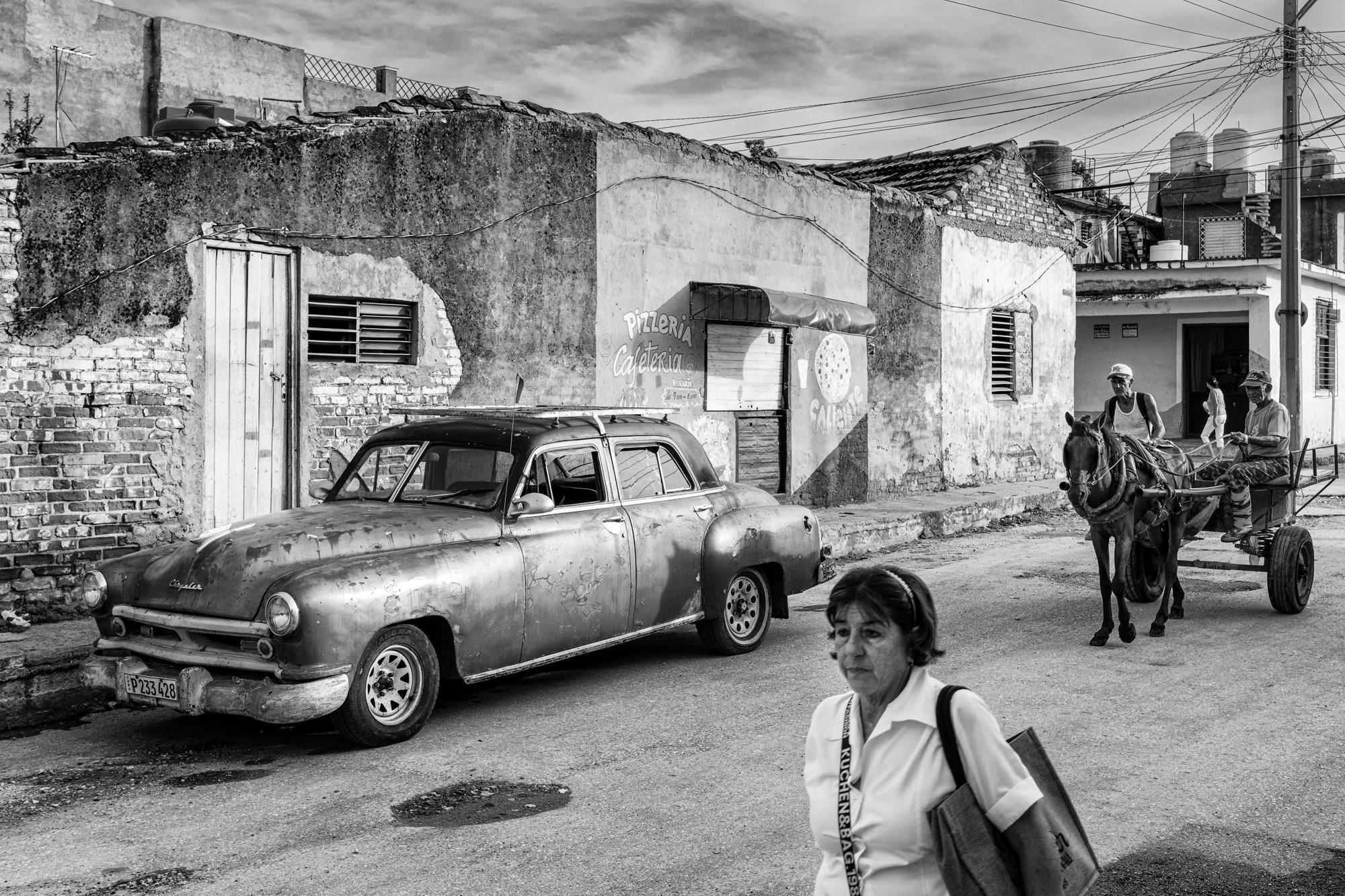
Cuba Street Photography →
Photographing everyday life across Havana, Viñales, Cienfuegos and Trinidad, with some of my favourite locations and experiences from travelling through Cuba.
Photograph Istanbul with Mark
Istanbul is a city I return to because it rewards exactly the kind of photography I enjoy: working slowly, observing people and learning to find order within complicated street scenes.
I run small-group and private street photography journeys, working closely with photographers on composition, timing, light and particularly how to recognise and build layered photographs.
Groups are deliberately kept small, allowing us to respond to what we find rather than simply following a fixed list of locations. We photograph together throughout the day, stop for coffee and food along the way and spend time discussing your photographs and how your work can develop.
Explore Photography Journeys →
Enquire About a Private Photography Journey →


Congratulations on this beautiful and inspiring article and photo essay!
Thank you Marco