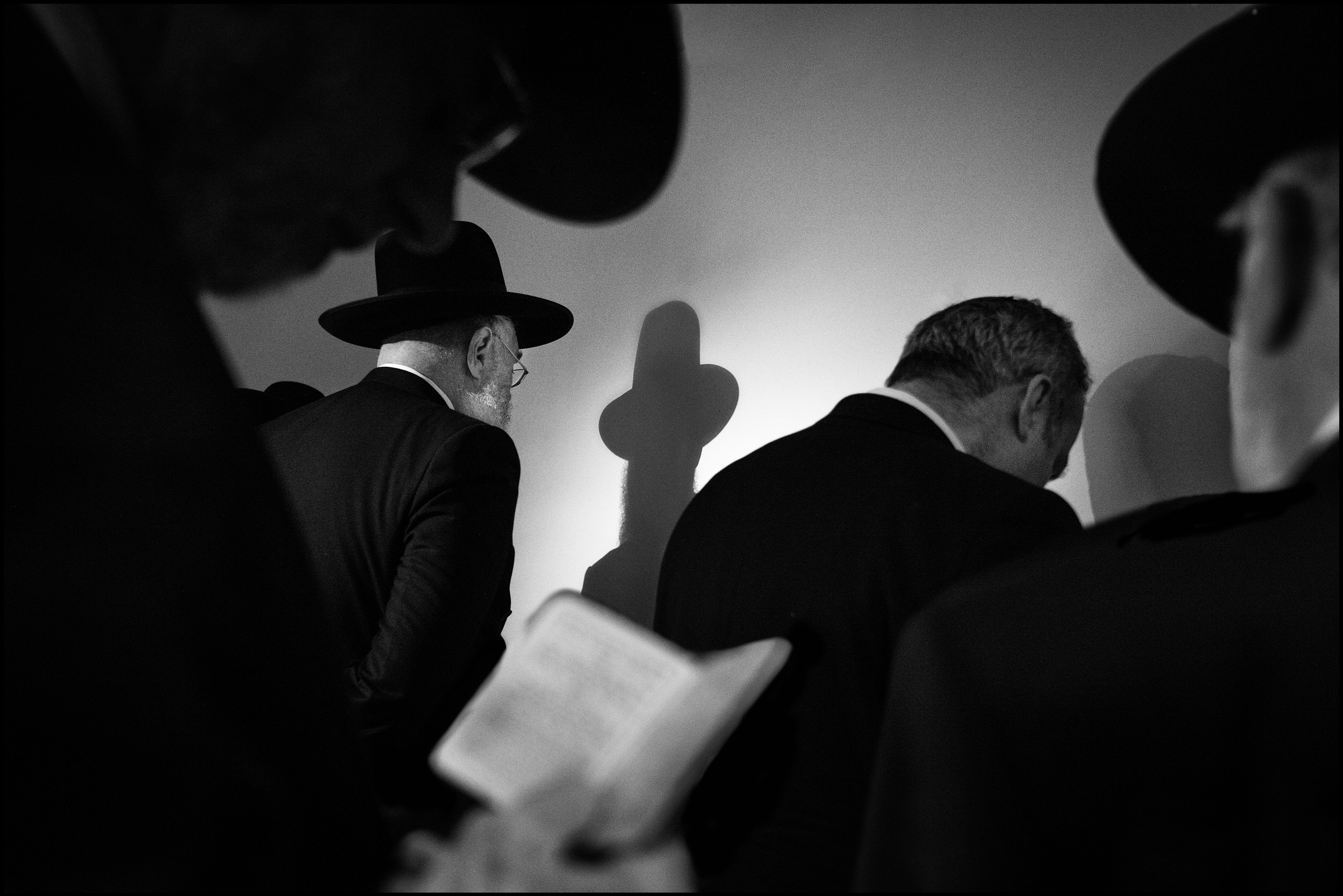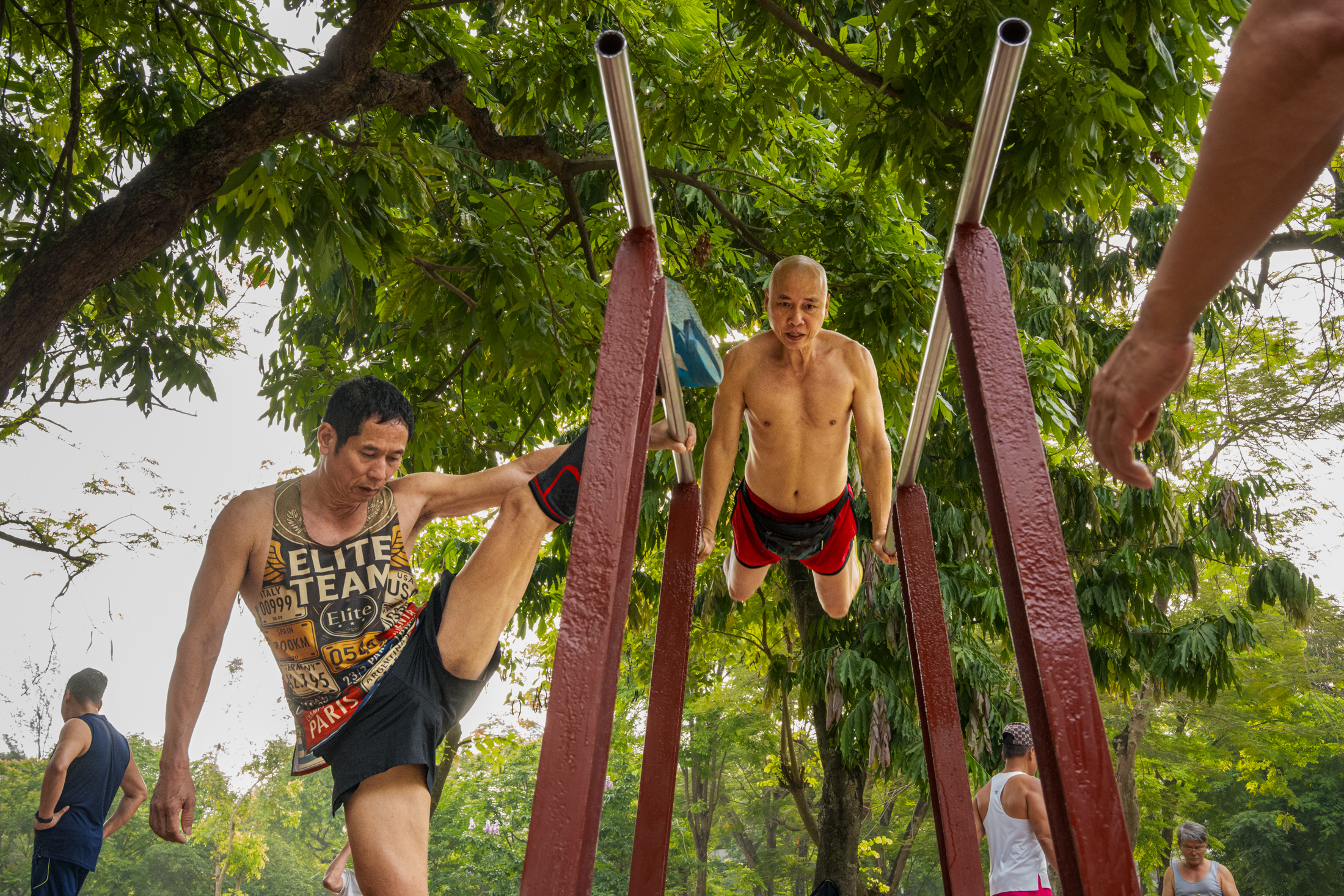
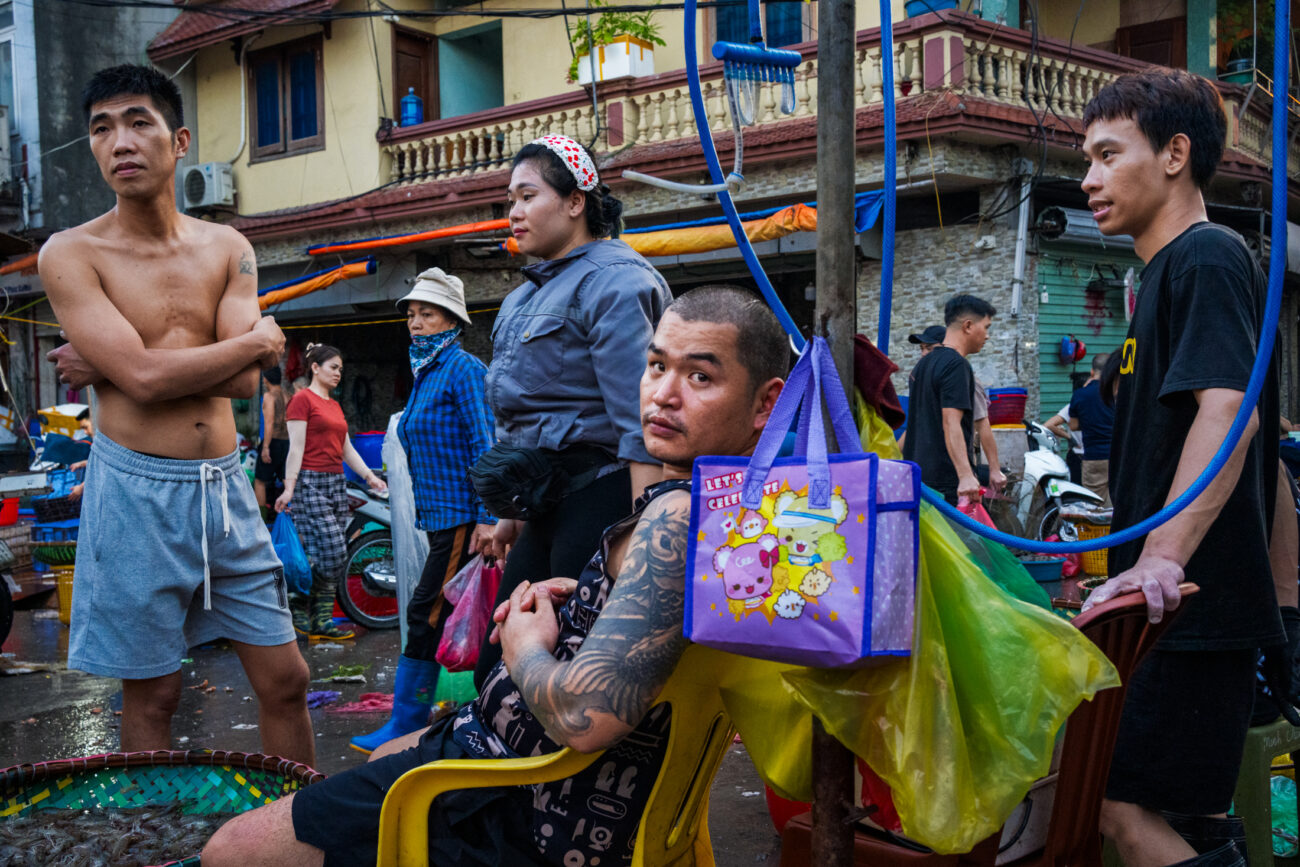
Northern Vietnam rewards patience. There are countries that reveal themselves quickly and others that require a little time. Vietnam, at least in my experience, falls firmly into the second category.
My journey began in Hanoi, a city I have grown increasingly fond of over the years. At first glance it can feel chaotic, almost overwhelming. Thousands of motorbikes flow through the streets in a seemingly endless stream, shopfronts spill onto pavements, and every alleyway appears to contain a dozen different stories competing for your attention.
Spend a little time there, though, and patterns begin to emerge. The apparent chaos starts to make sense. For a documentary and street photographer, Hanoi rewards observation: gestures, relationships and small moments appear within the constant movement of the city. For photographers interested in people, culture and authentic visual storytelling, northern Vietnam offers an extraordinary variety of subjects, from the streets and markets of Hanoi to fishing communities, rice fields and remote mountain villages.
I had come to Vietnam to lead a Northern Vietnam photography workshop for Light & Land while continuing my own exploration of a country that had fascinated me for many years. Our journey would take us from the streets and markets of Hanoi to the fishing communities of Thai Binh, before travelling north by overnight train into the mountains beyond Sapa.
After the workshop ended, I returned to those mountains with four close friends, travelling deeper into northern Vietnam and towards remote communities close to the Chinese border.
What I didn’t realise at the time was how much that second journey would deepen my understanding of the first.
What Drew Me North
One of the reasons I wanted to spend an extended period exploring Northern Vietnam photography locations was a belief that there was far more to the region than its most famous photographs. was that I suspected there was far more to the region than its most famous photographs. Like many photographers, I had long admired images of Sapa’s rice terraces, colourful tribal markets and dramatic mountain scenery, colourful tribal markets, dramatic mountain scenery and remote communities largely untouched by mass tourism, but experience has taught me that places rarely reveal their true character through their most recognisable views.
What interested me more were the stories that existed beyond those photographs. Who were the people tending the terraces? How were traditional crafts and customs surviving in an increasingly modern world? What did daily life look like away from the places most visitors stop?
These were the questions I found myself thinking about as I arrived in Hanoi and met the group joining me for the first stage of the journey on our Northern Vietnam Photography Workshop Whilst the route had been carefully planned, I knew from experience that the most memorable photographs rarely appear on an itinerary. More often they emerge from unexpected encounters, chance conversations and the simple act of spending time in a place long enough for it to reveal itself.
Northern Vietnam would prove that point time and time again over the weeks that followed.
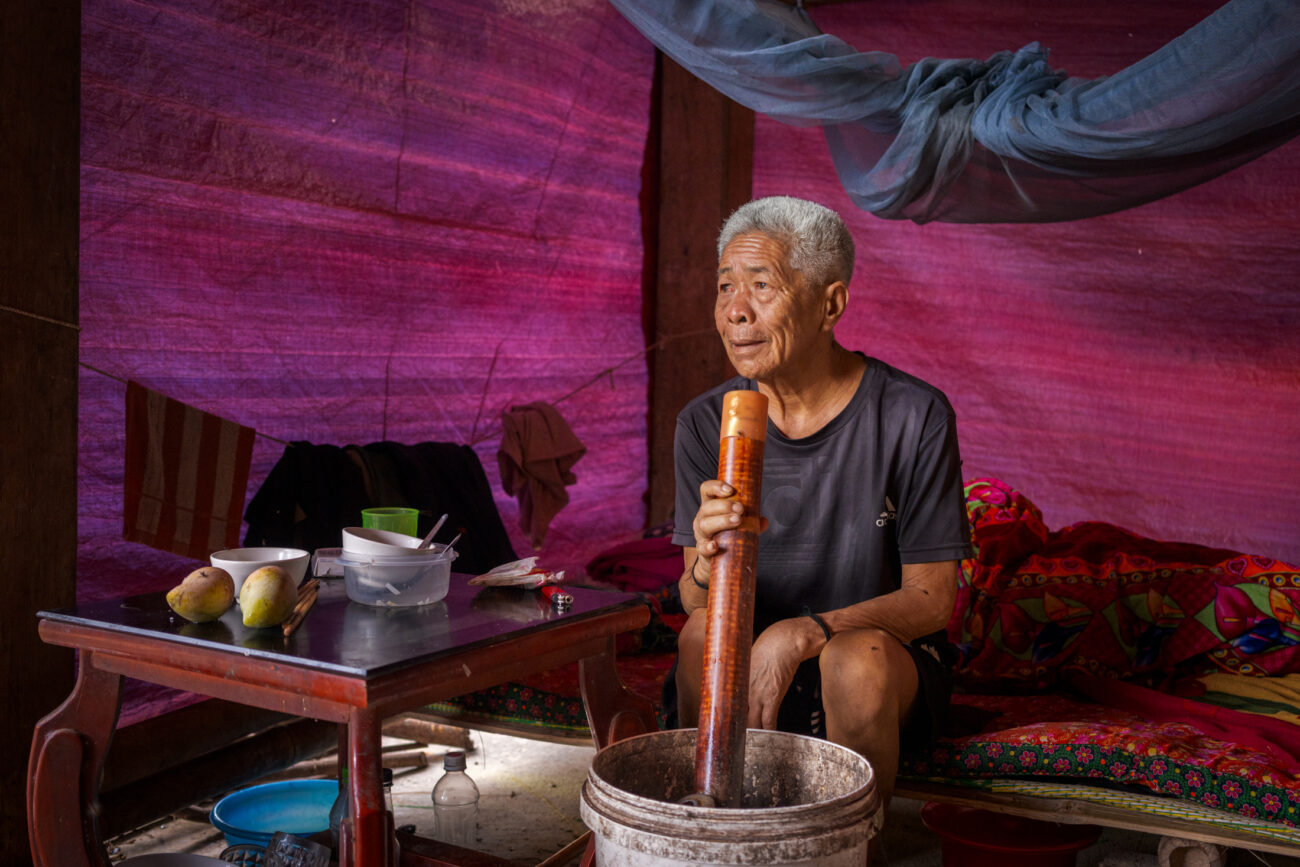
Hanoi: A Lesson In Observation
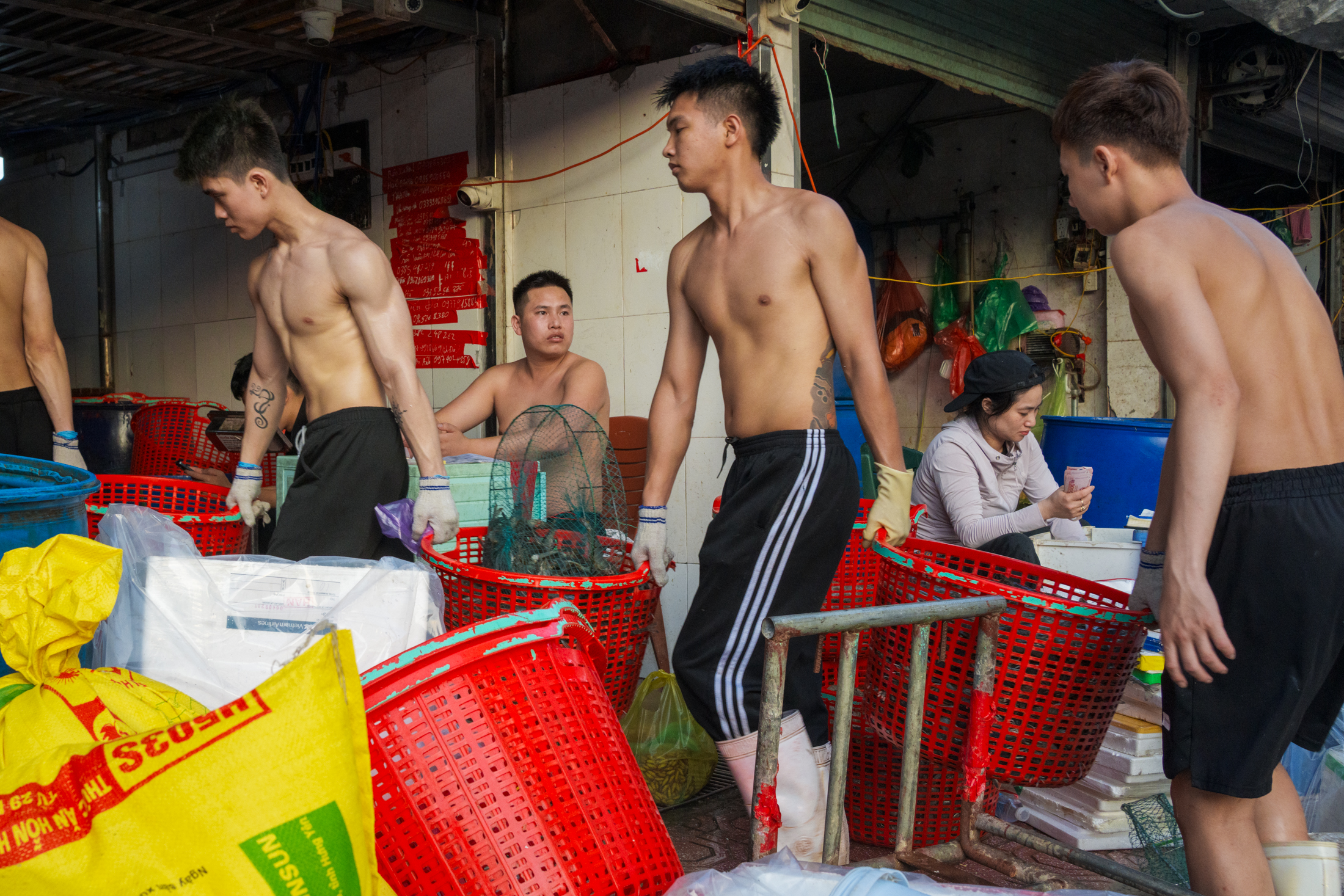
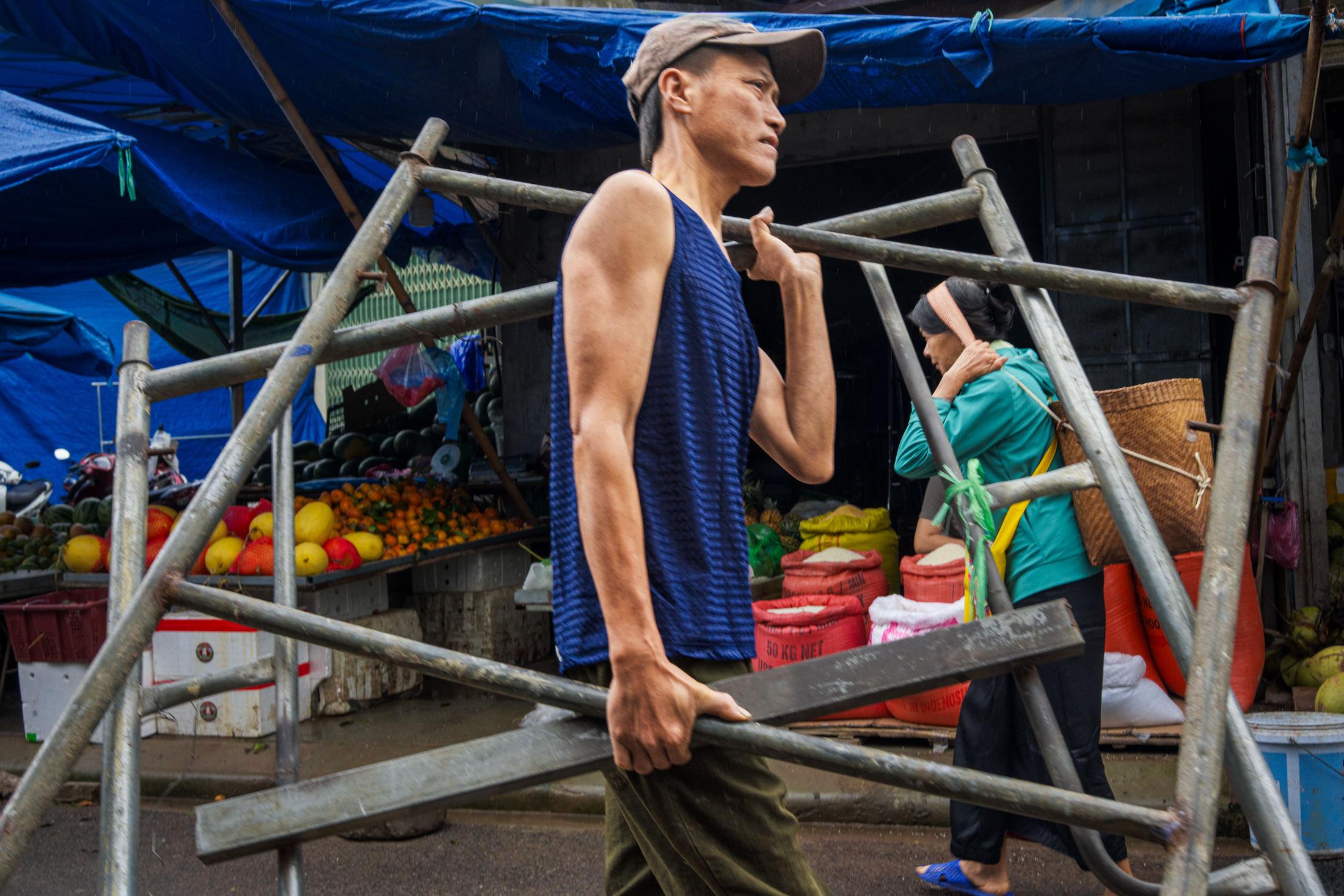
Most people arriving in Hanoi for the first time are understandably overwhelmed by it. The city moves at its own pace and according to its own rules, neither of which are immediately obvious to outsiders. Motorbikes stream through the streets in seemingly impossible numbers, traders conduct business from pavements that appear far too small for the task, and every alleyway seems to contain a workshop, café, family home and market stall competing for the same space.
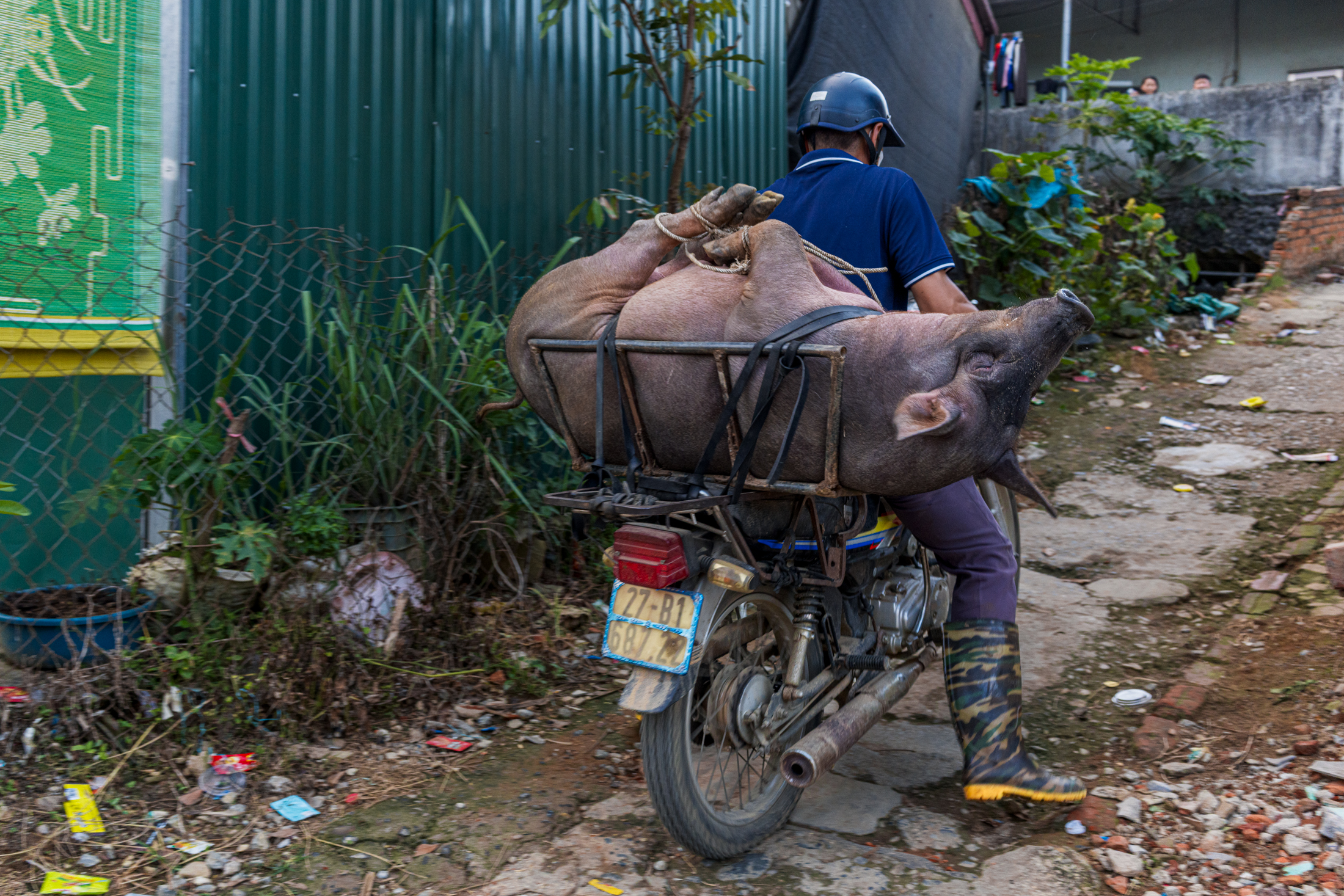
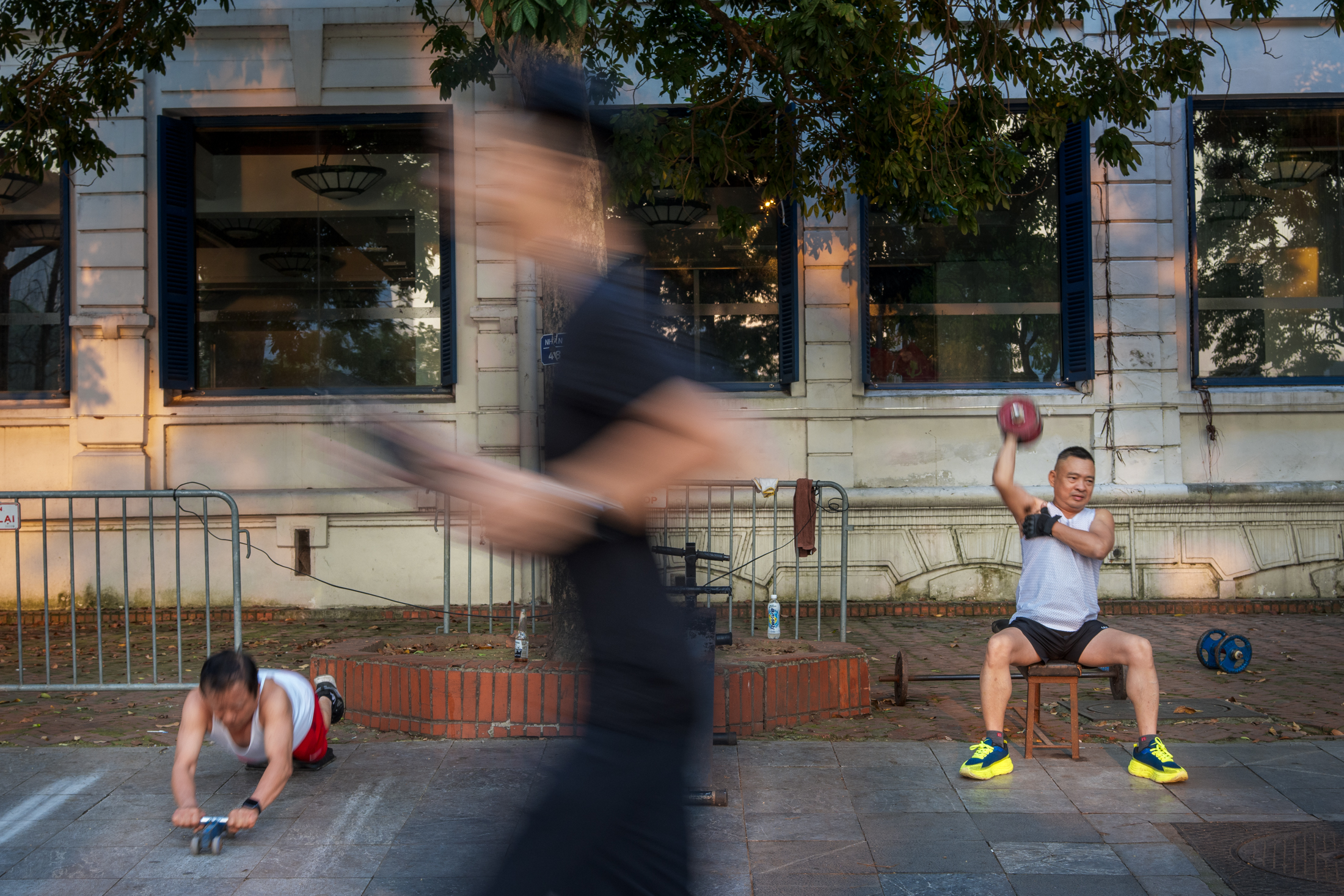
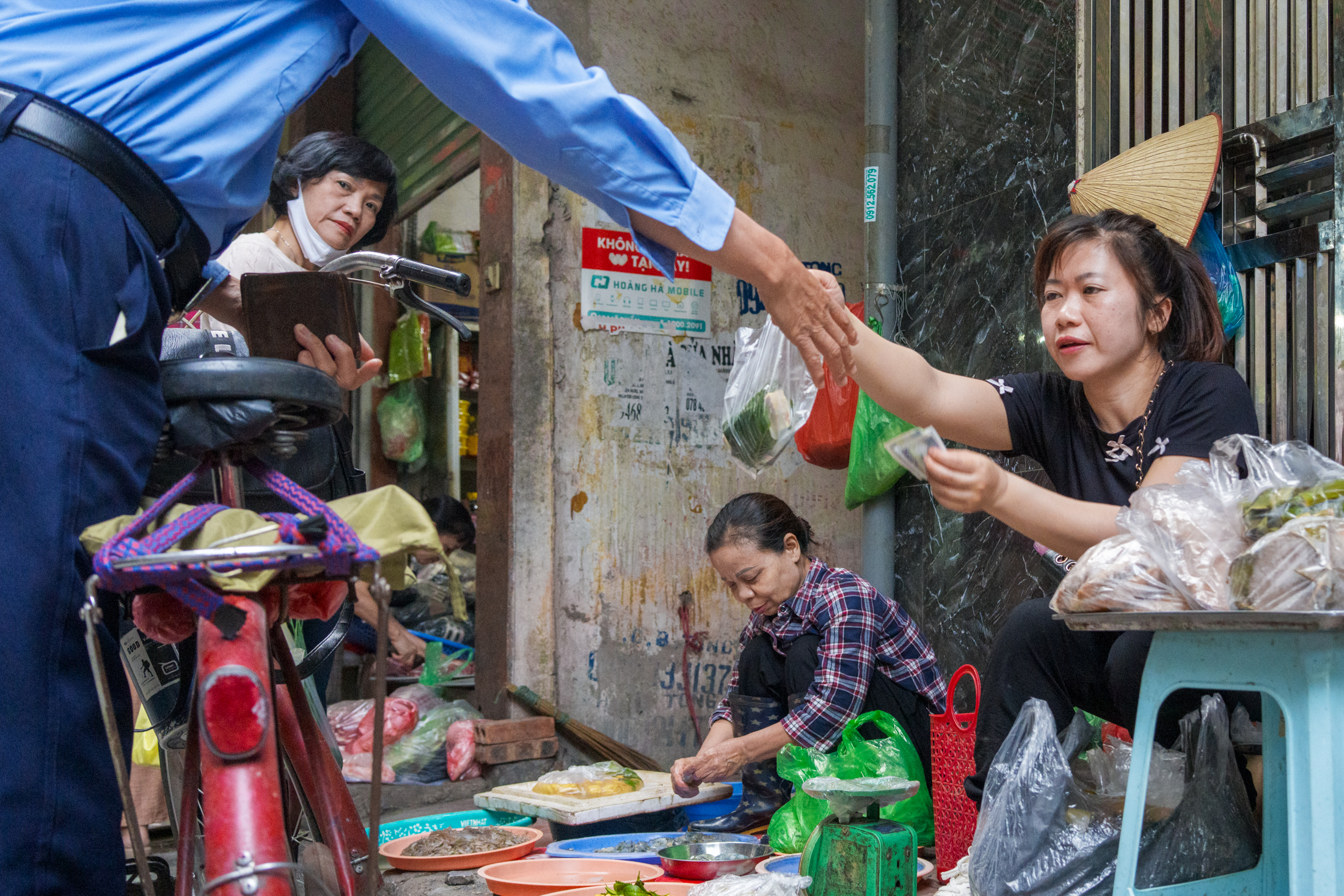
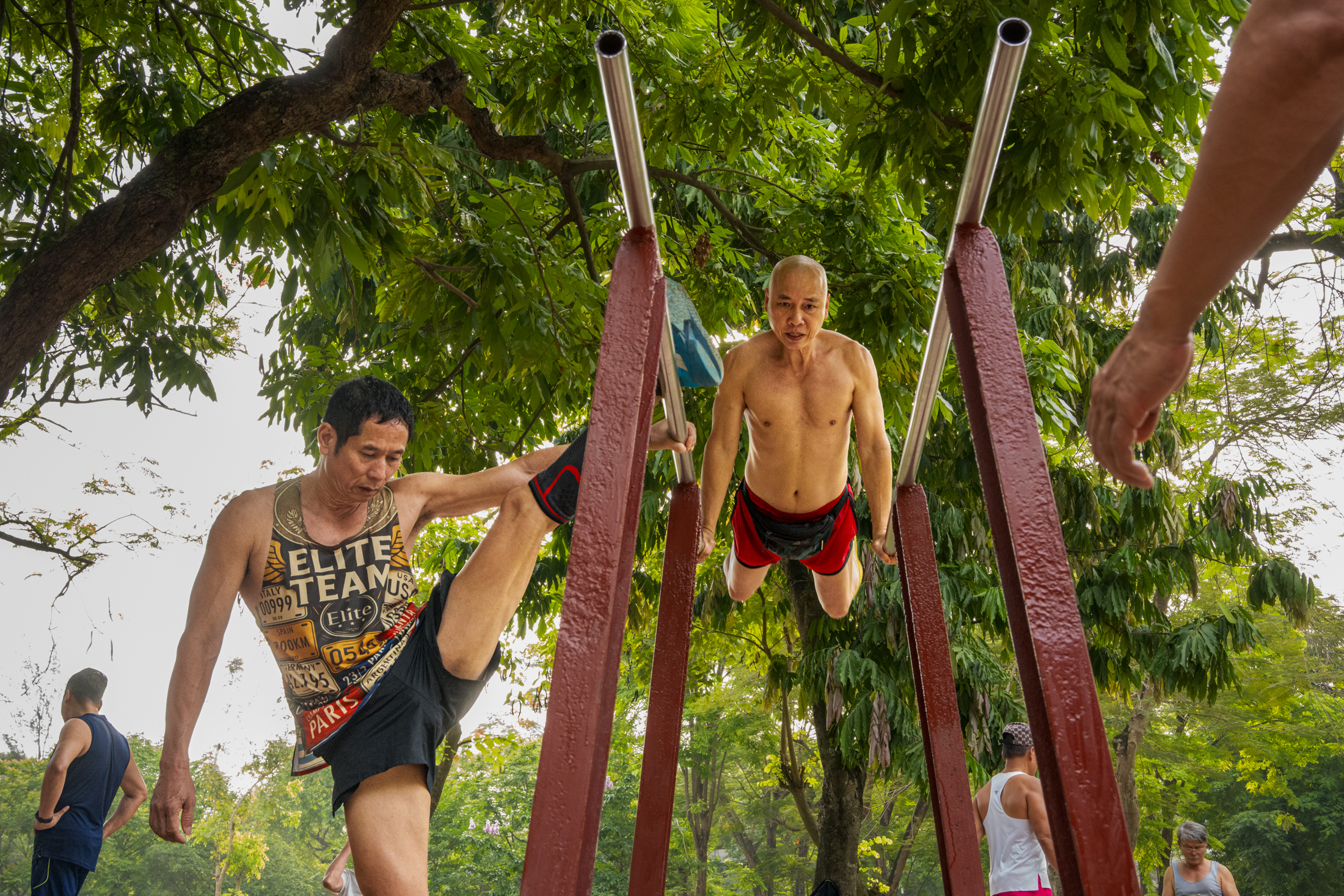
Yet after a day or two, something interesting happens. The apparent chaos begins to organise itself into patterns. As photographers, we stop trying to photograph everything and begin looking more carefully at what is actually happening in front of us. We notice the small interactions that bring a scene to life: an exchange between two traders, a shaft of light falling across a doorway, or a brief gesture between strangers passing in the street.
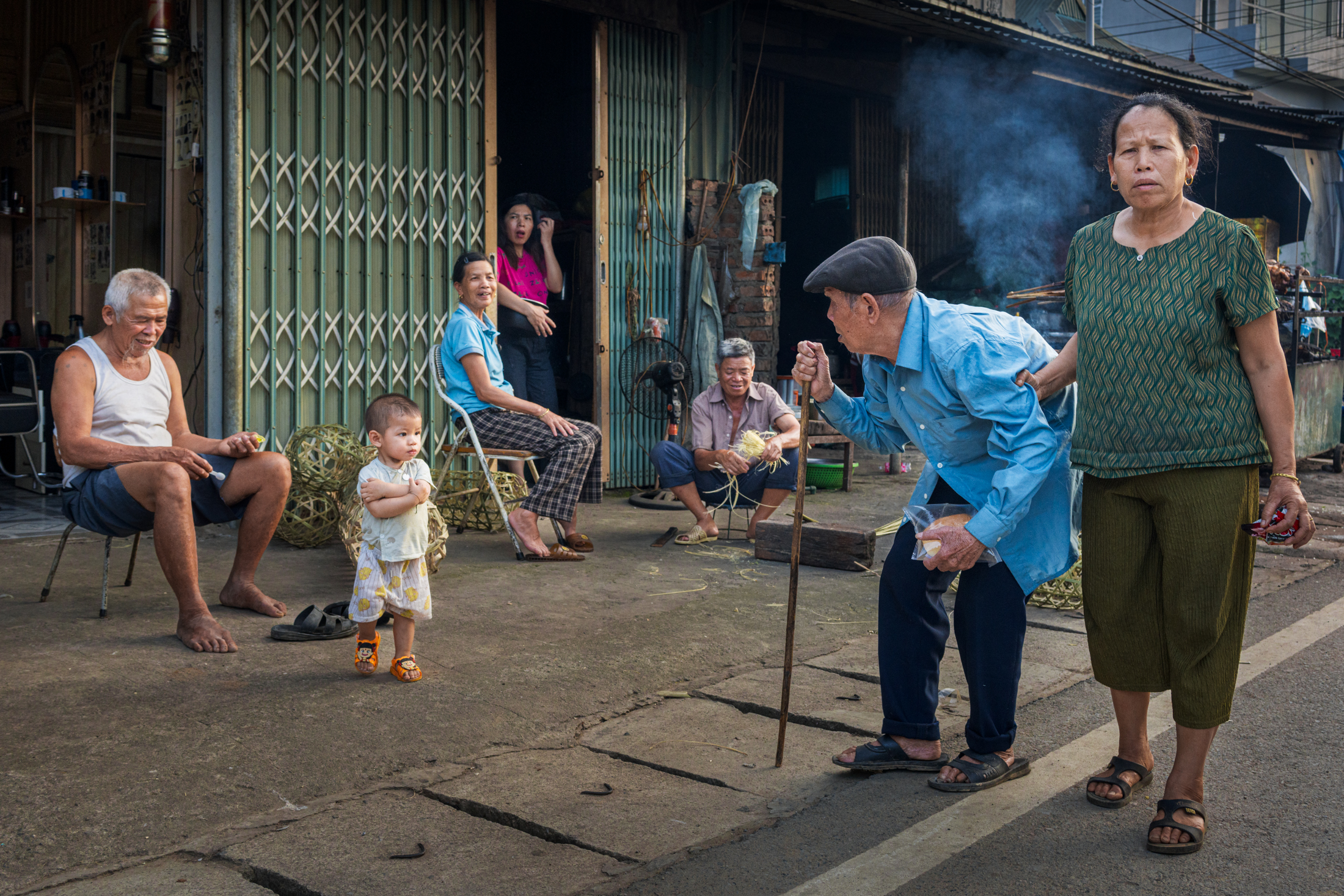
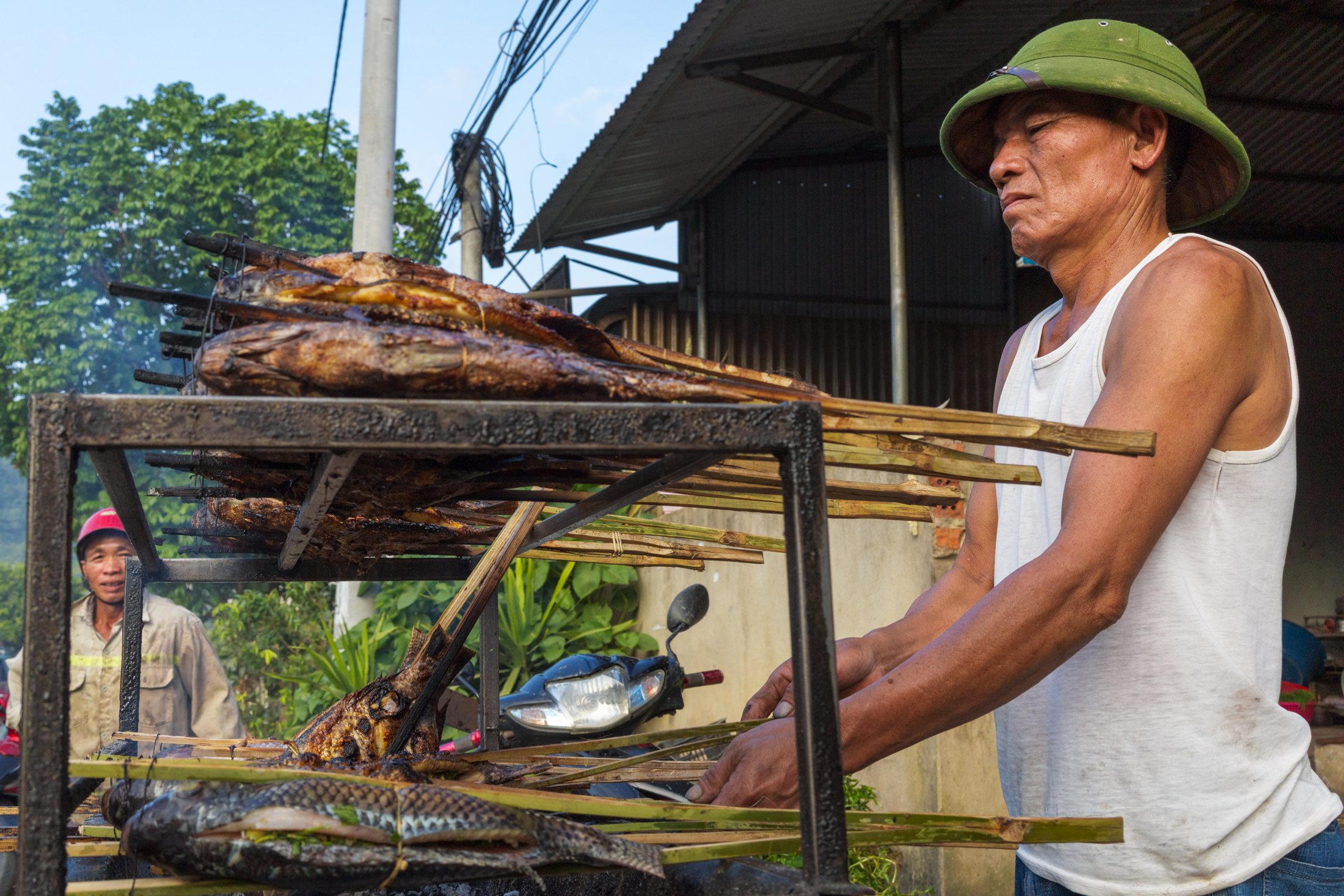
Hanoi street photography rewards patience. Much of daily life unfolds in public, creating an extraordinary environment for documentary photography. Markets spill onto pavements, families gather outside their homes, food is prepared in the street and small interactions appear constantly within the movement of the city.
The longer you stand still, the more Hanoi reveals itself. Rather than constantly searching for photographs, I prefer to find a promising situation, watch how people move through it and wait for the different elements to come together.
For me, that is one of the great lessons of documentary photography in Hanoi and Northern Vietnam. Strong photographs don’t necessarily come from moving faster or seeing more. Very often they come from slowing down, observing carefully and allowing everyday life to unfold in front of you.
Into The Mountains
As fascinating as Hanoi is, I knew from the outset that the real focus of this journey lay much further north.
Leaving the capital behind, we gradually made our way towards the mountains, travelling first by road and then by overnight train before eventually reaching the regions close to the Chinese border. It is difficult to overstate how different these areas feel from the Vietnam most visitors experience. The landscape changes dramatically, but so too do the people, architecture, traditions and, in many cases, the languages spoken around you.
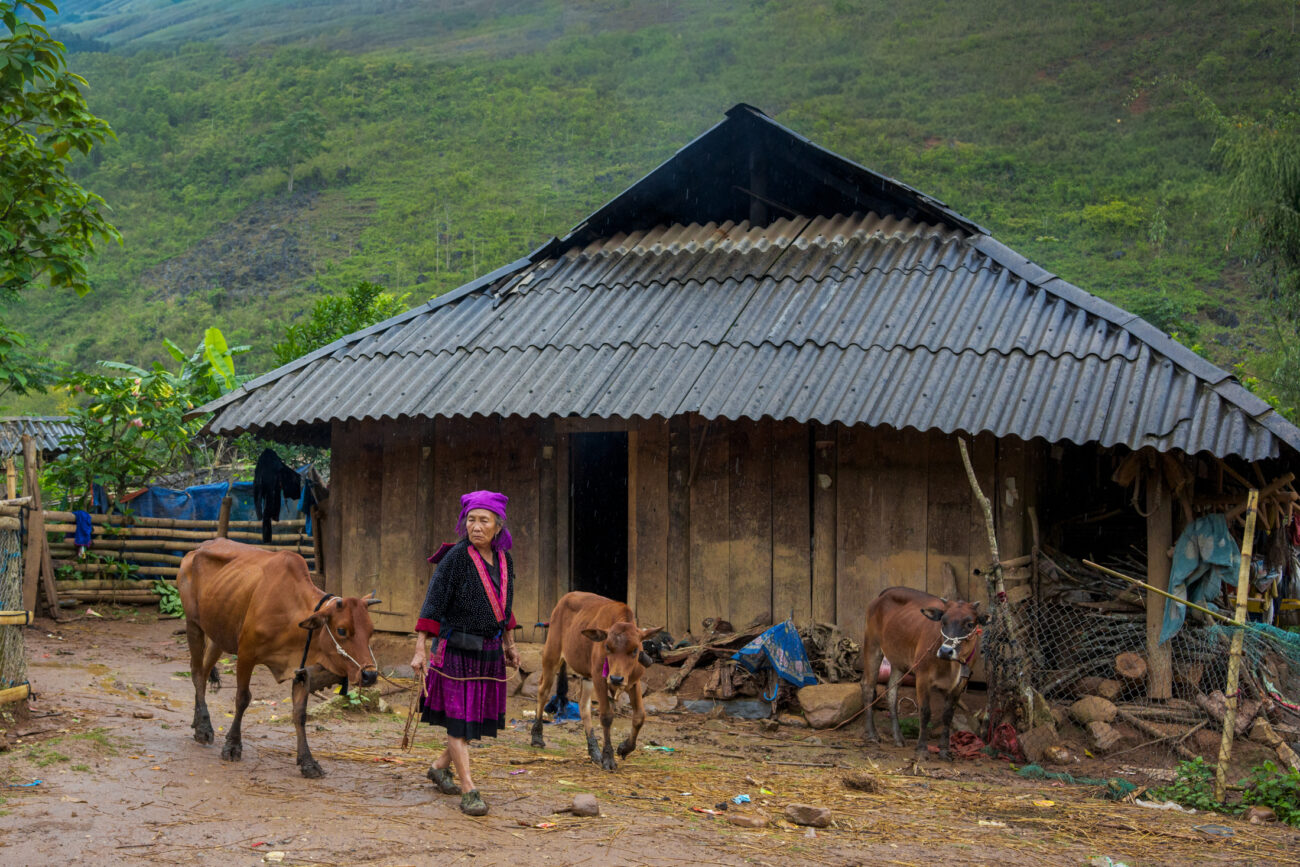
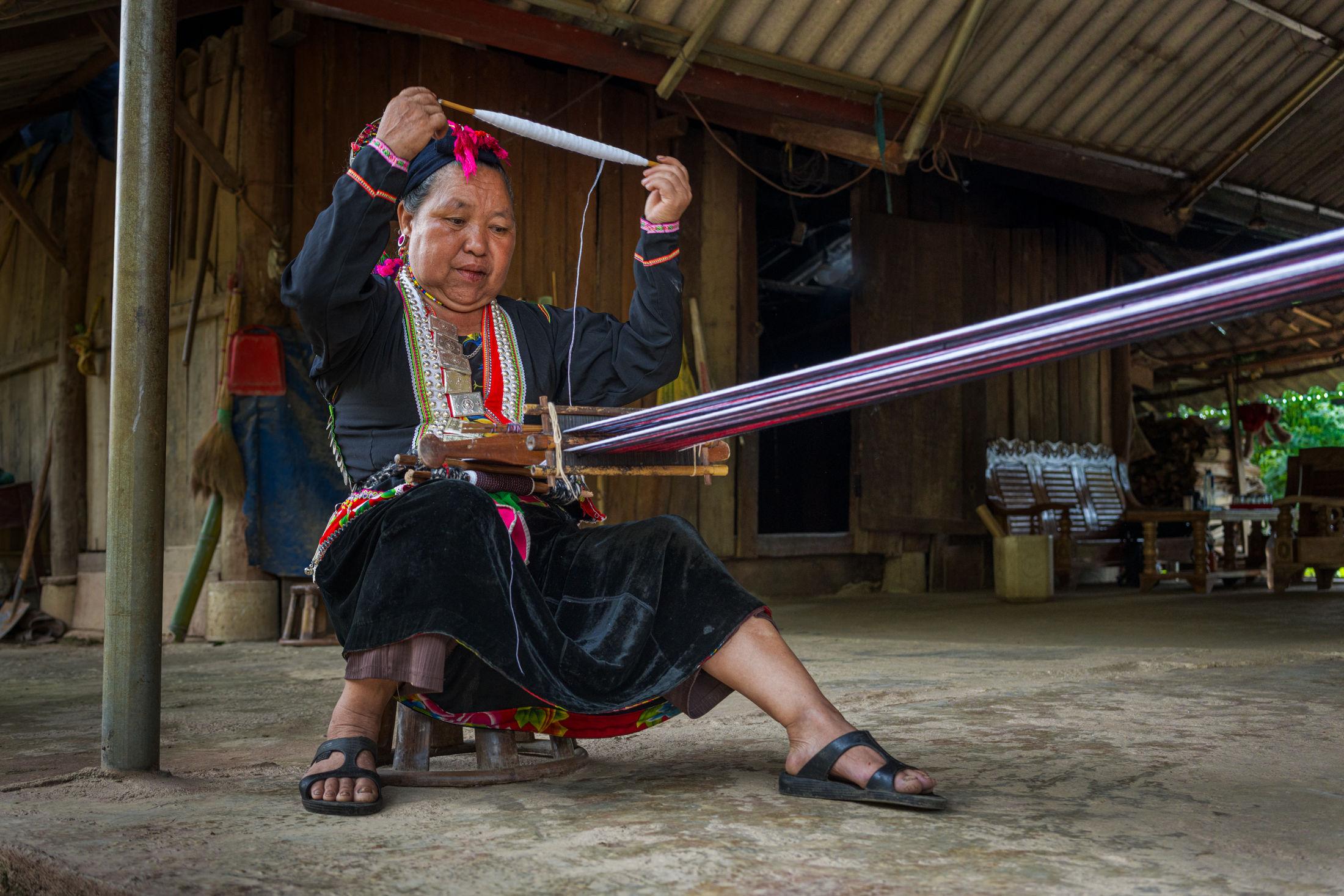
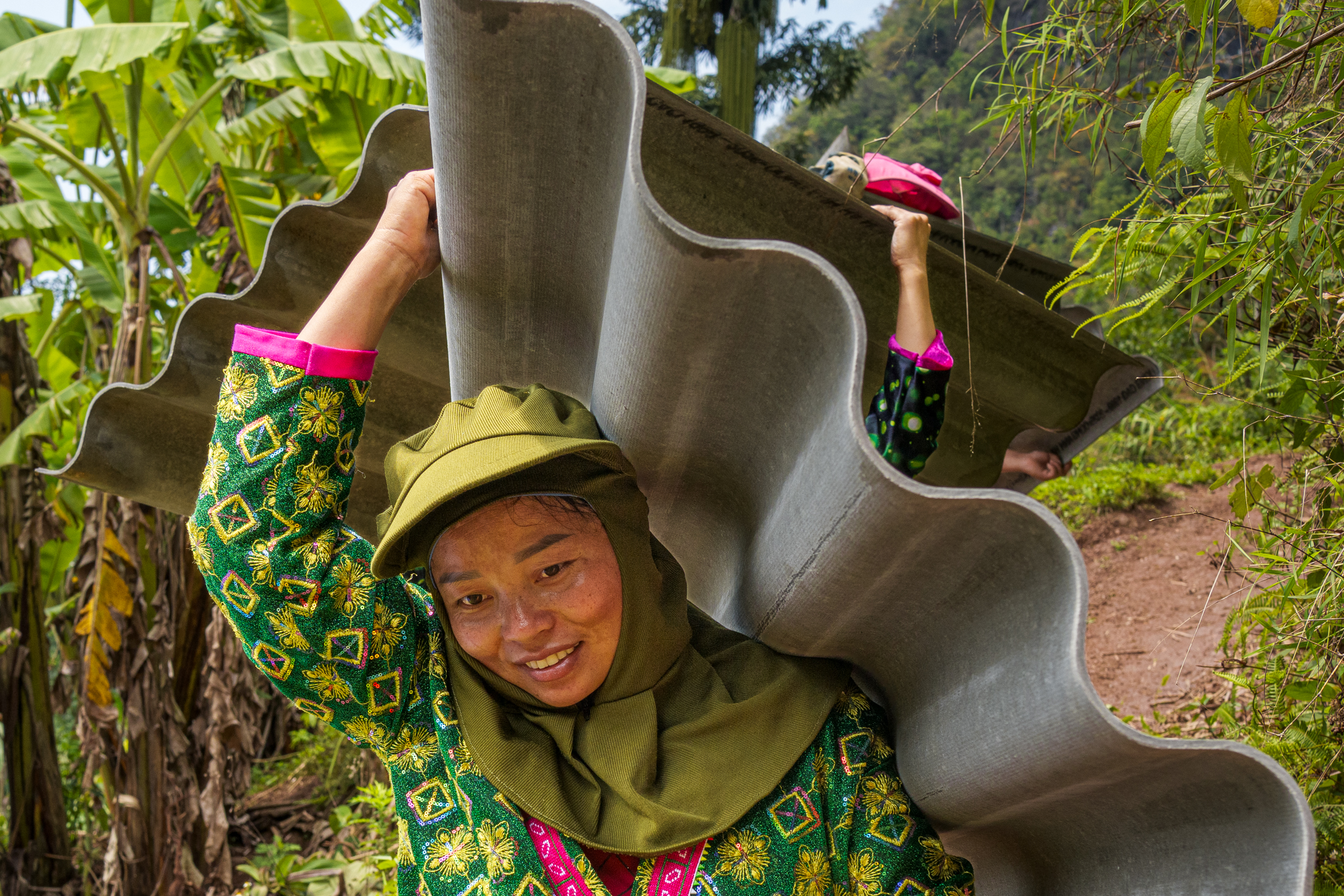
Vietnam is often spoken about as though it were a single cultural entity, but travelling through the Northern Vietnam highlands quickly reveals something far more complex. Across these mountains live many different ethnic minority communities, each with their own history, customs, clothing, dialects and traditions. Over the following weeks we would spend time among Hmong, Dao, Ha Nhi, Phu La and Thai communities, each offering a different perspective on life in this remarkable part of the country.
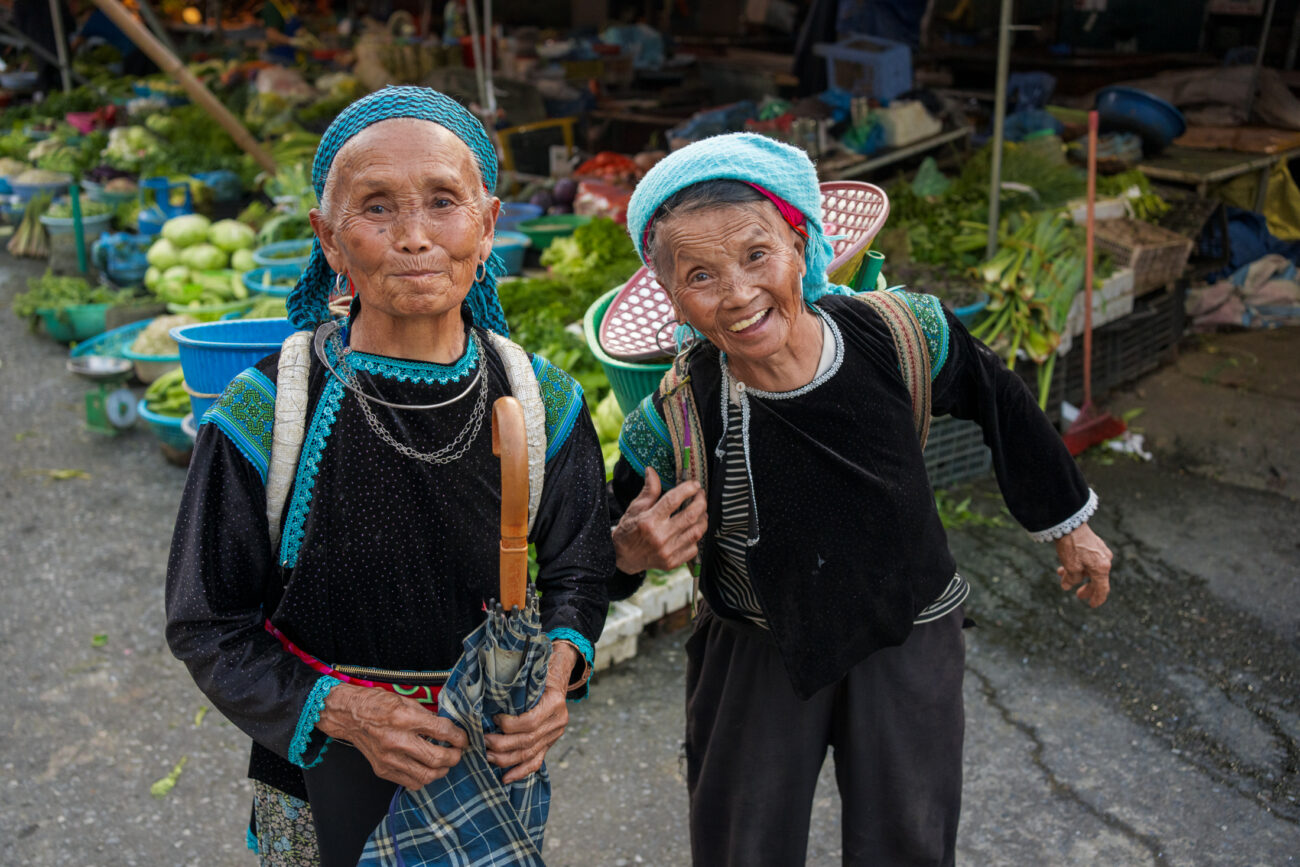
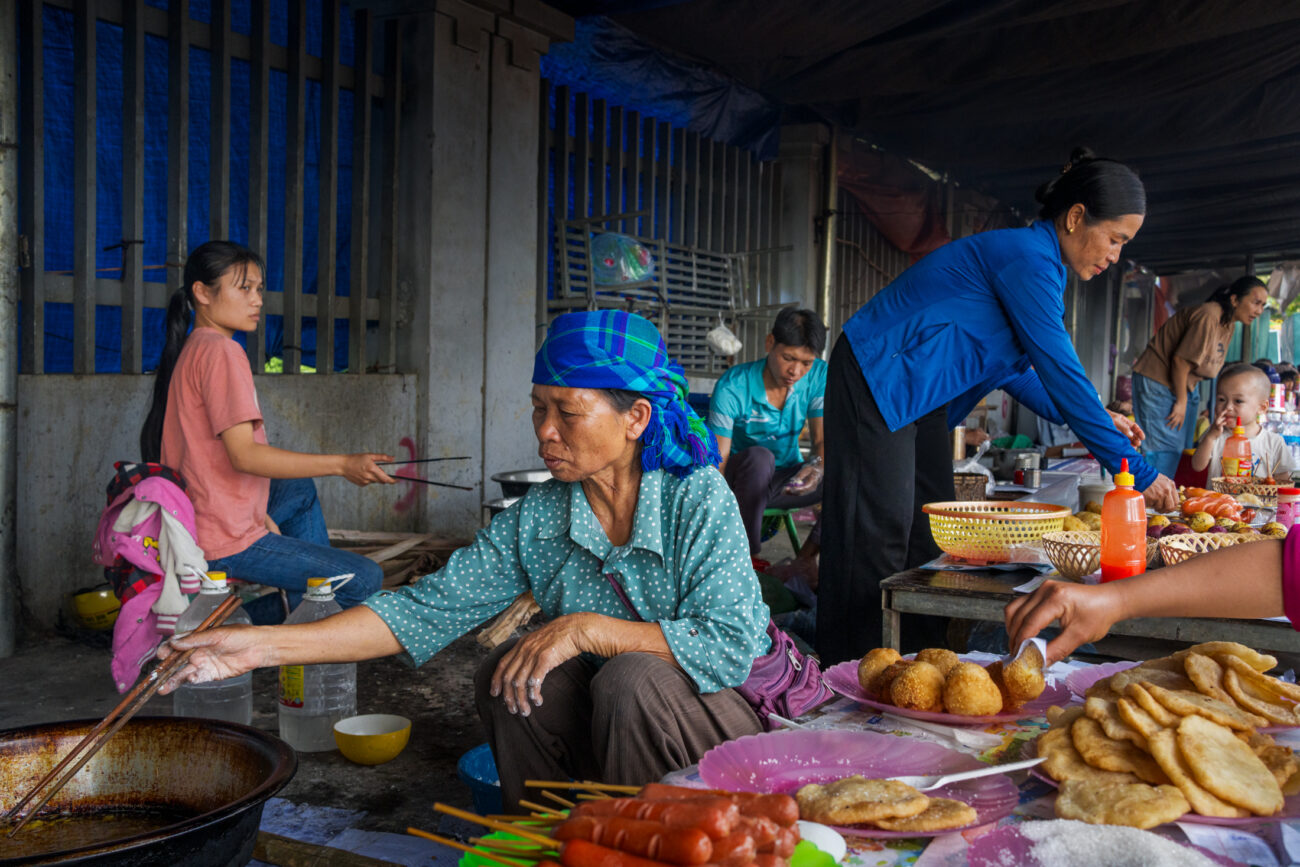
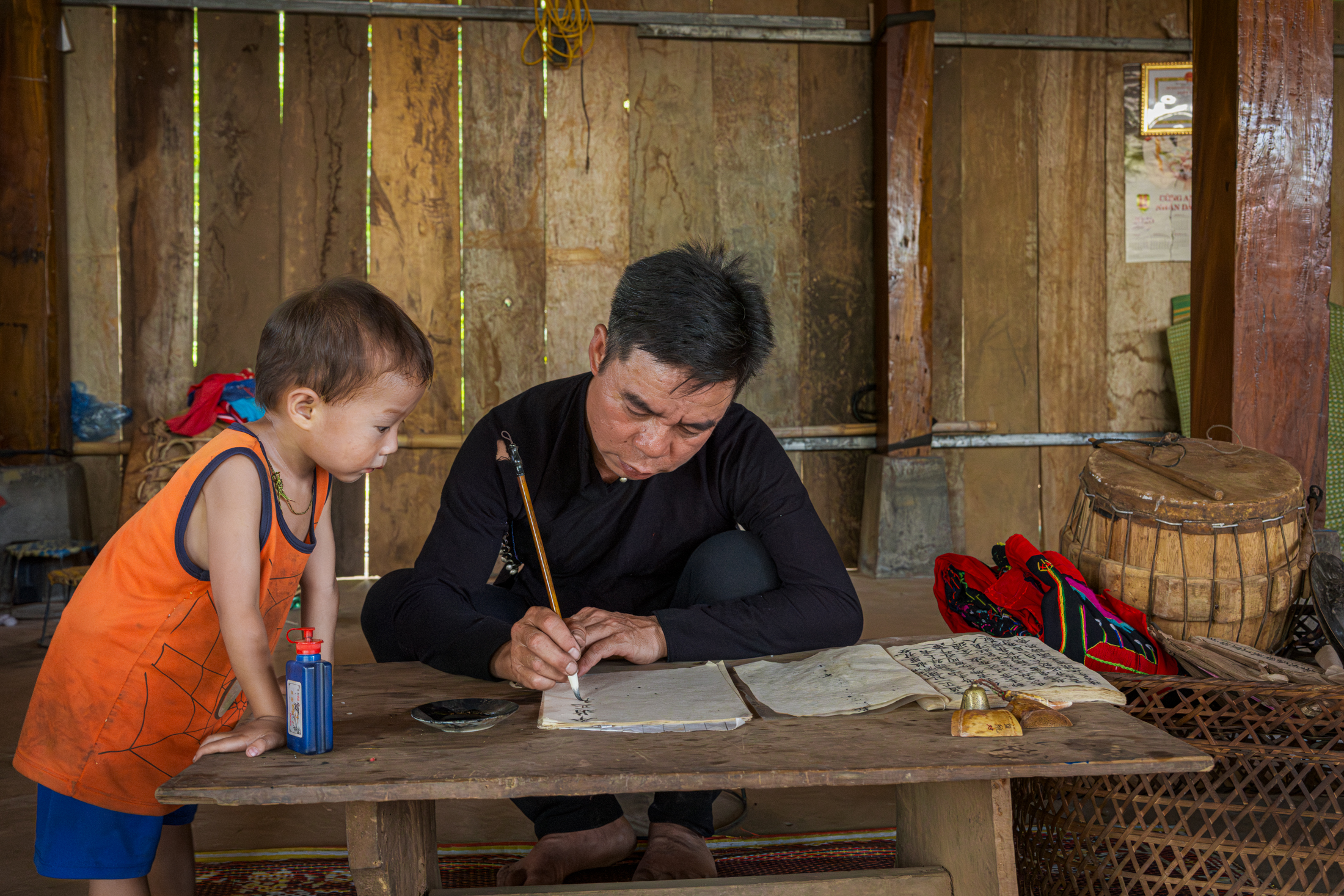
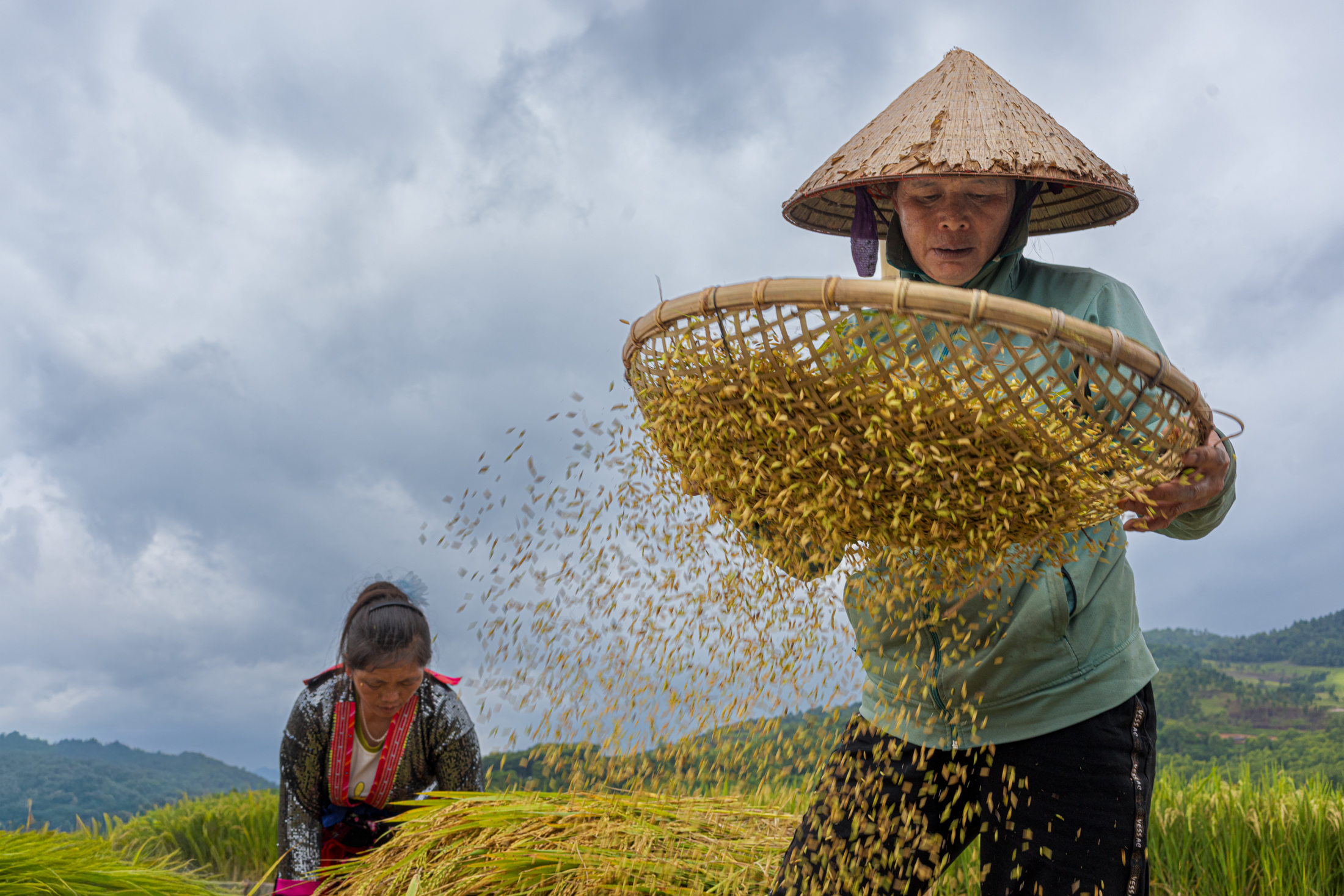
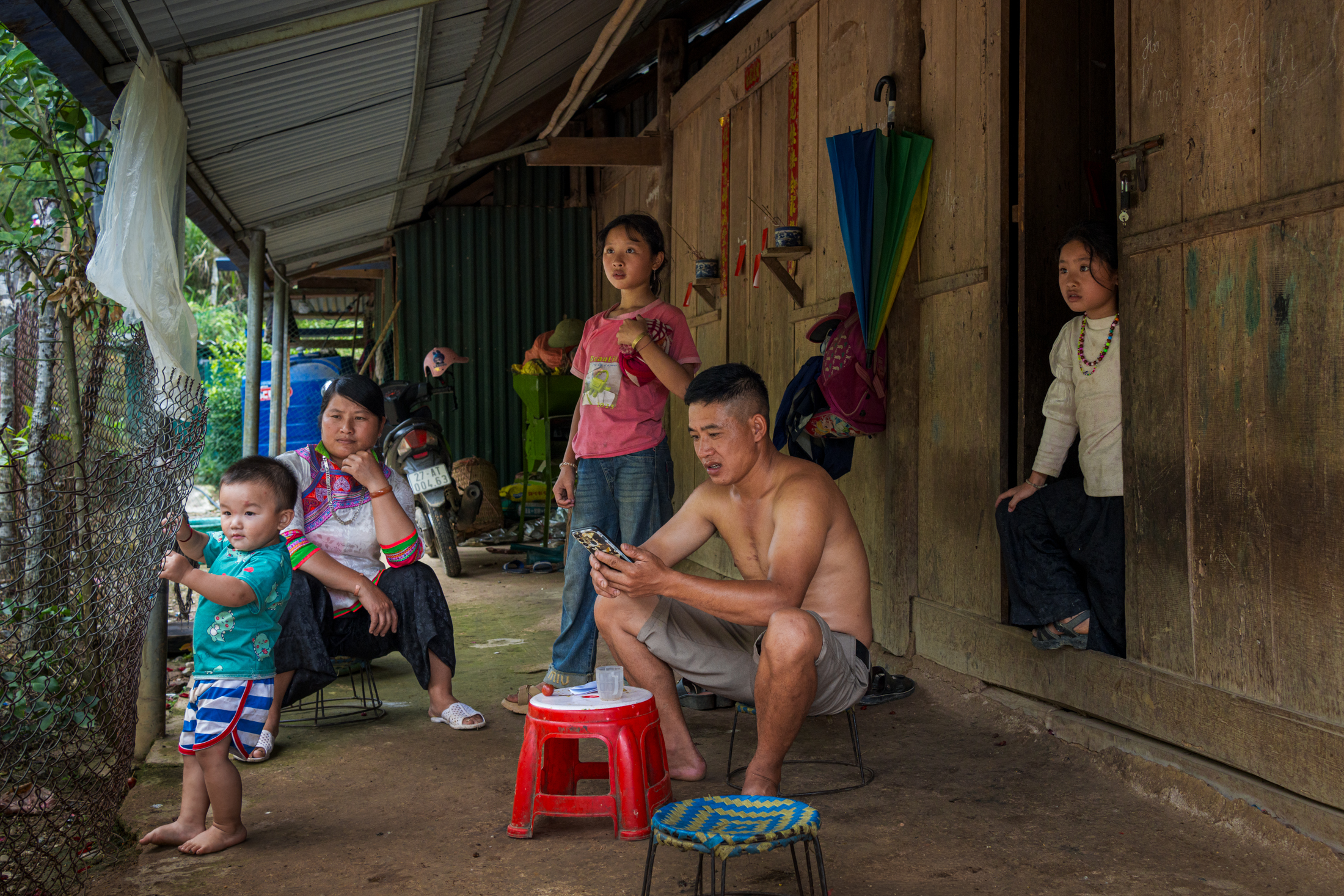
What struck me most was not simply the differences between these communities, but the strength with which many traditions remain part of everyday life. Traditional clothing is still worn with pride, local markets remain important social gathering places, and skills and crafts continue to pass from one generation to the next. These aren’t performances created for visitors; they are part of the fabric of daily life.
As we travelled deeper into Northern Vietnam, the roads became narrower and the scenery increasingly dramatic. Vast valleys opened beneath us, rice terraces clung to steep hillsides and small settlements appeared around bends in the road. With each journey further into the mountains, the pace and rhythms of life seemed increasingly removed from those we had left behind in Hanoi.
For a documentary and travel photographer, the landscapes are spectacular, but it is the relationship between people and place that makes photographing Northern Vietnam so compelling. Terraces have been shaped and cultivated over generations, fields are worked by families, and the surrounding mountains are not simply scenery. They are home, workplace, history and identity.
It was in these highland communities that I began to understand why this part of Vietnam has such a powerful hold on photographers. The photographs are certainly part of the attraction, but the greater privilege is being given the time to observe and understand something of everyday life in communities very different from our own.
Travelling slowly, returning to places and spending time with people allows photographs to emerge naturally. For me, that is ultimately what documentary photography in Northern Vietnam is about: not simply recording how a place looks, but trying to understand something of how it feels to live there.
The Photographs We Didn’t Plan
Whenever I return from a photographic journey like this, people inevitably ask the same question.
“Did you get the shot?”
The longer I photograph, the less certain I become about what that question actually means.
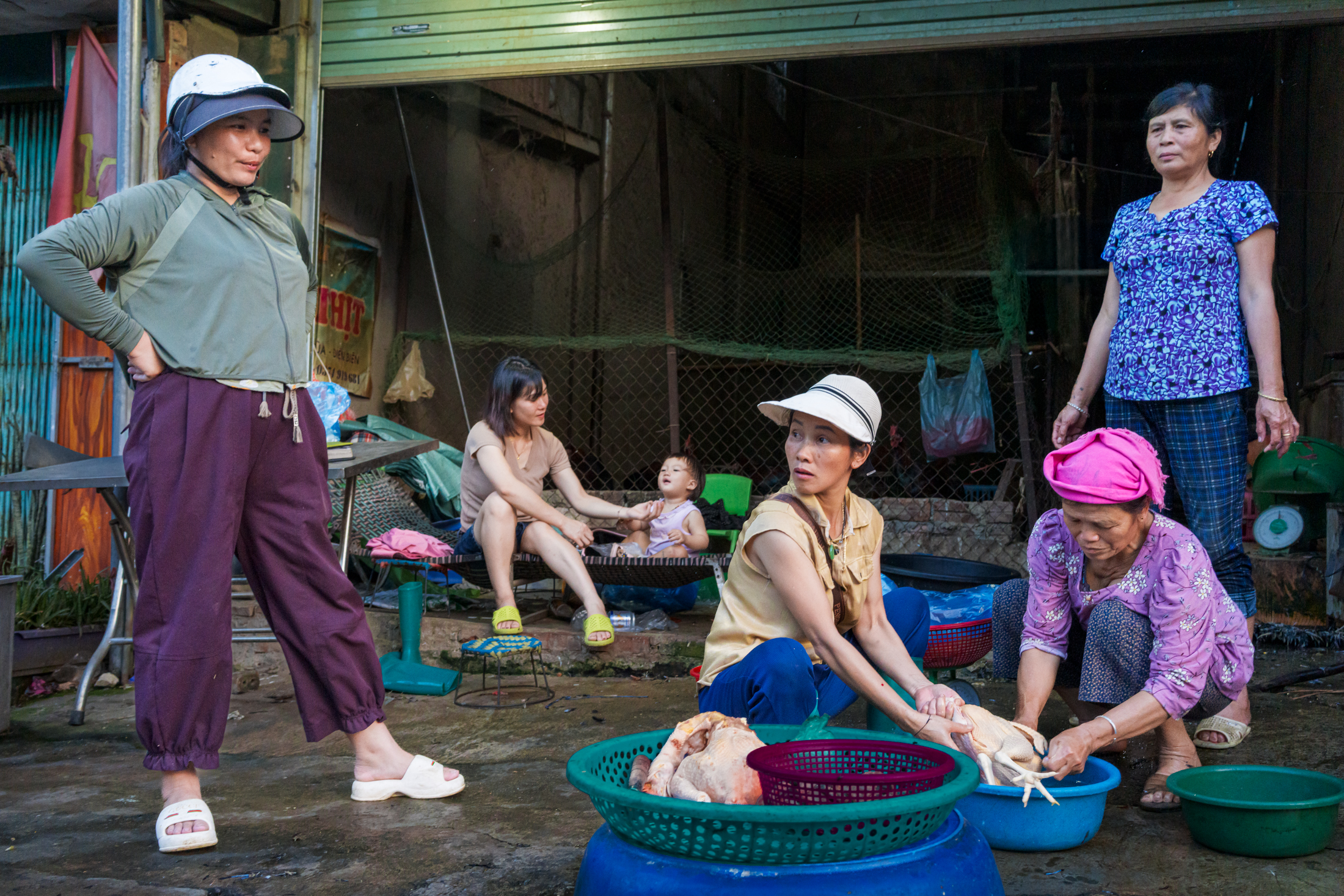
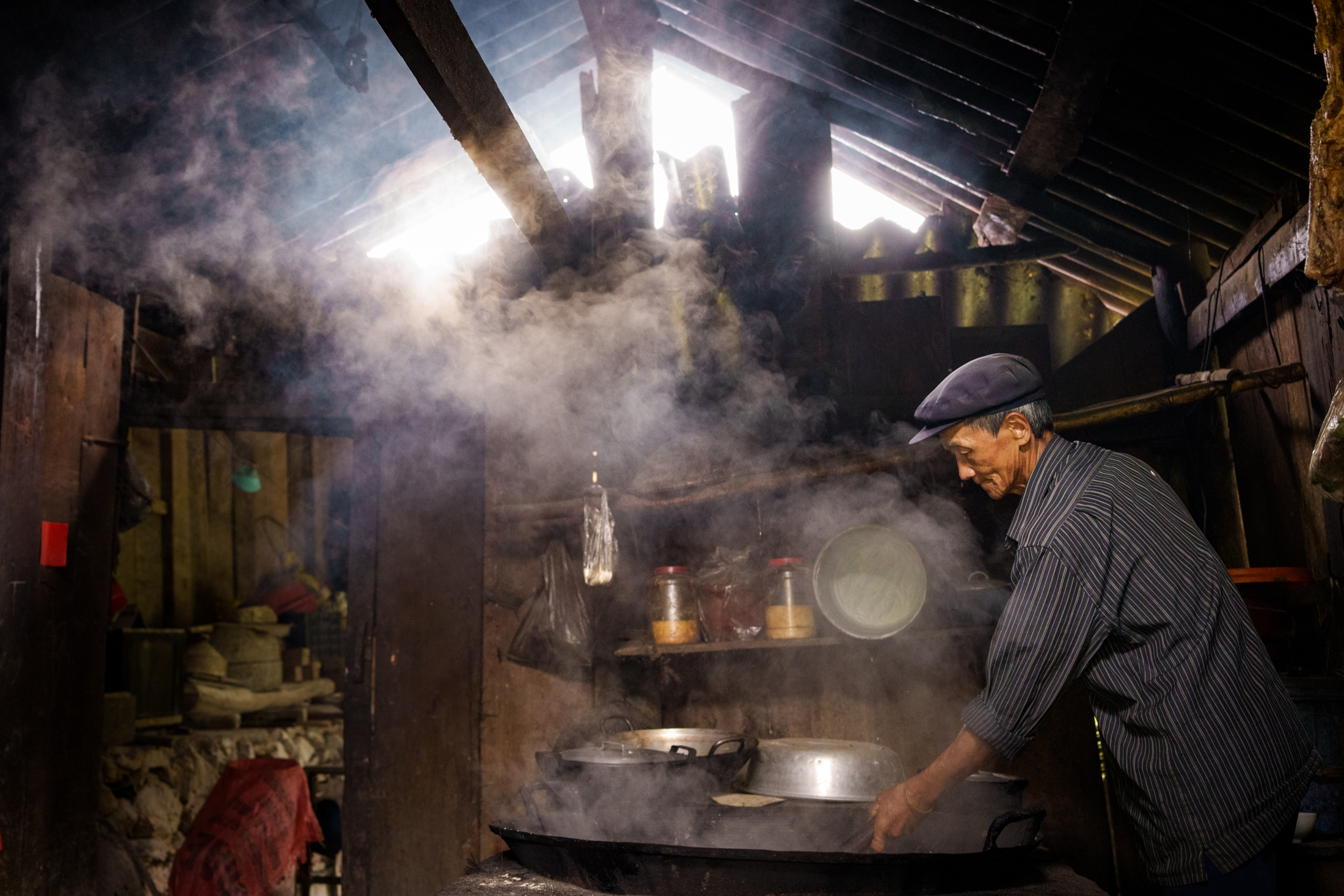
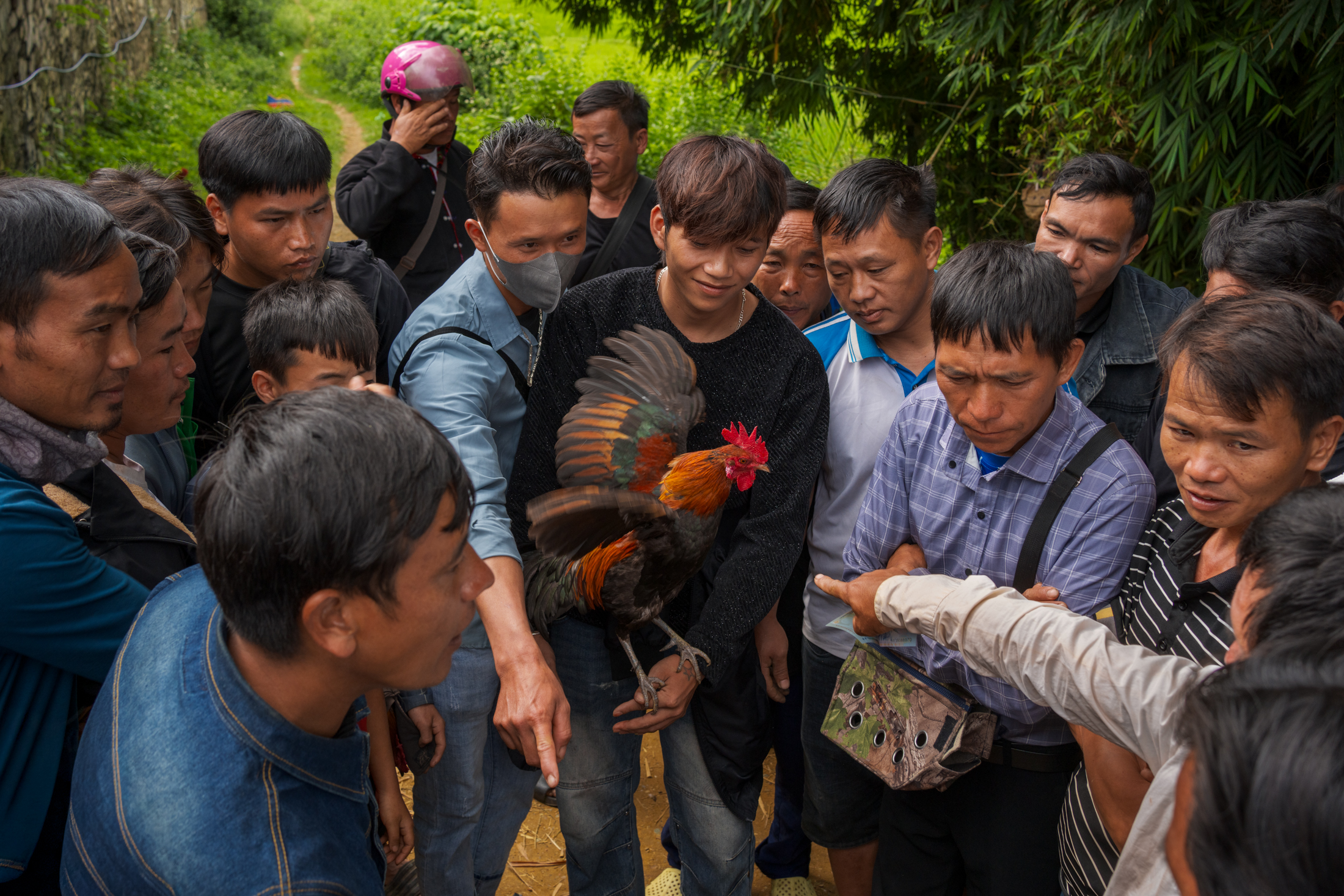
Of course, there were photographs I was particularly pleased with. Portraits made in remote villages, scenes from some of Northern Vietnam’s extraordinary mountain markets, and those rare moments when light, composition and human interaction come together for a fraction of a second before disappearing again. Every photographer travelling with me returned home with images they could be proud of.
Yet, looking through my photographs on the flight home, I found myself drawn less towards the obvious images and more towards the quieter moments in between.
A farmer walking through low cloud at the edge of a rice terrace.
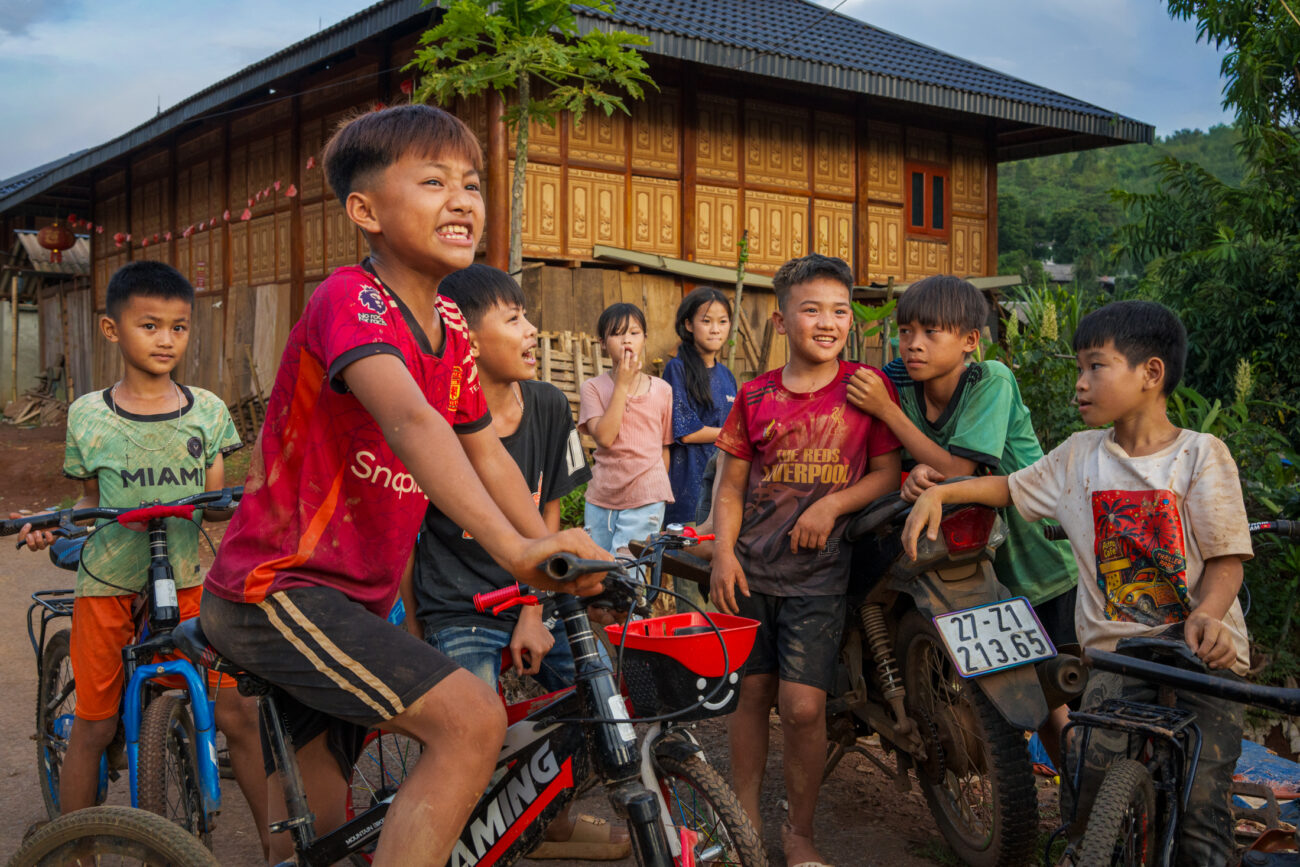
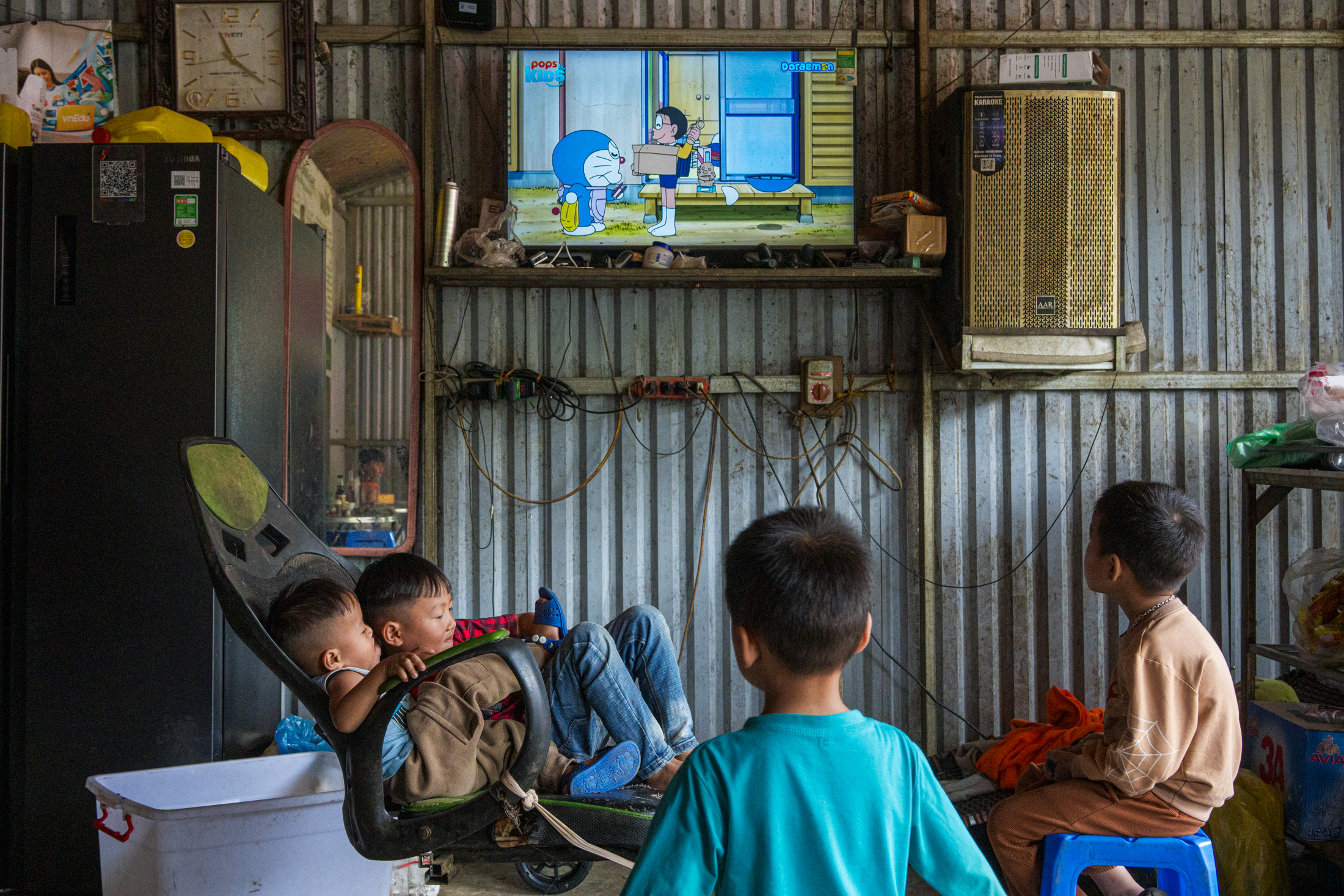
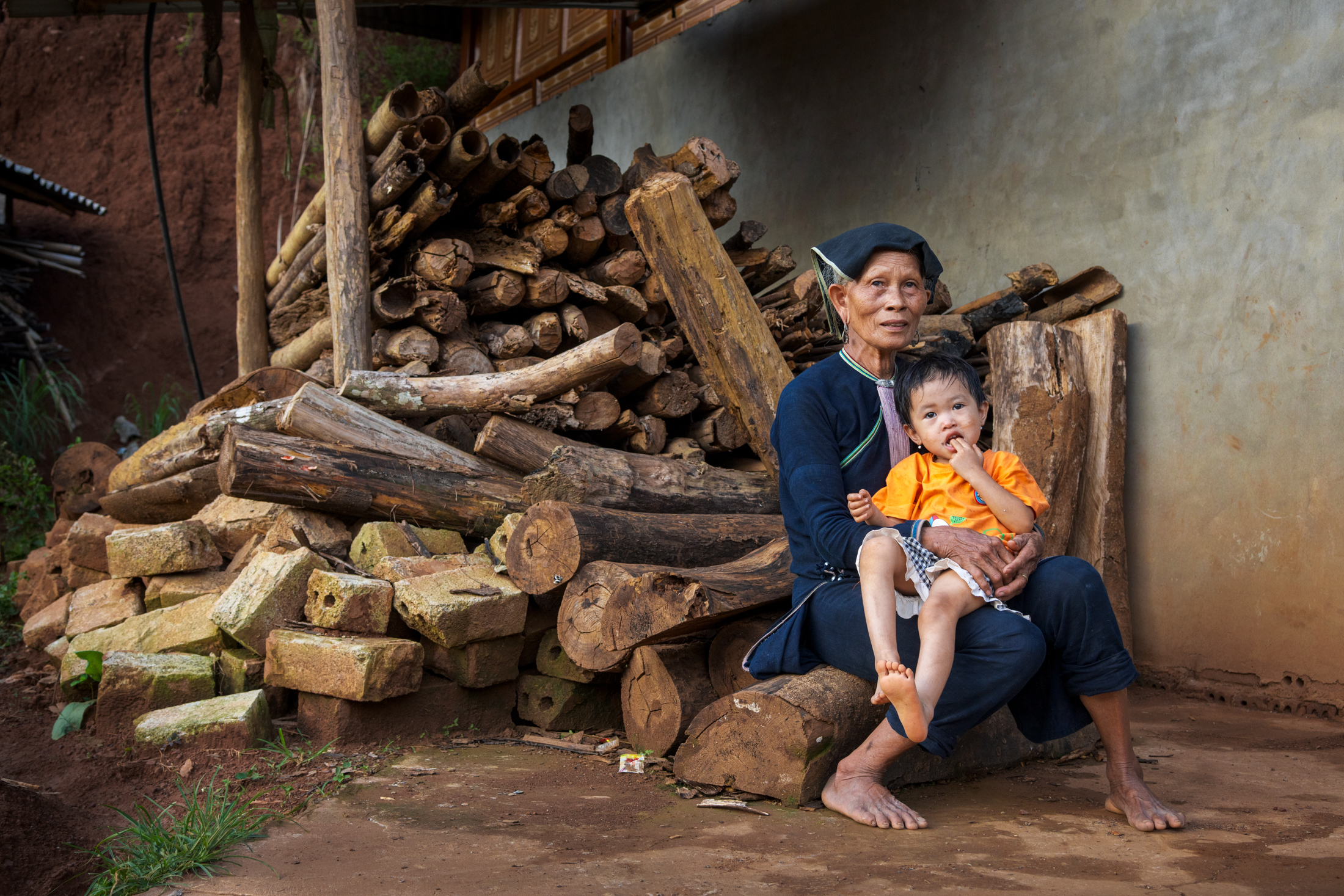
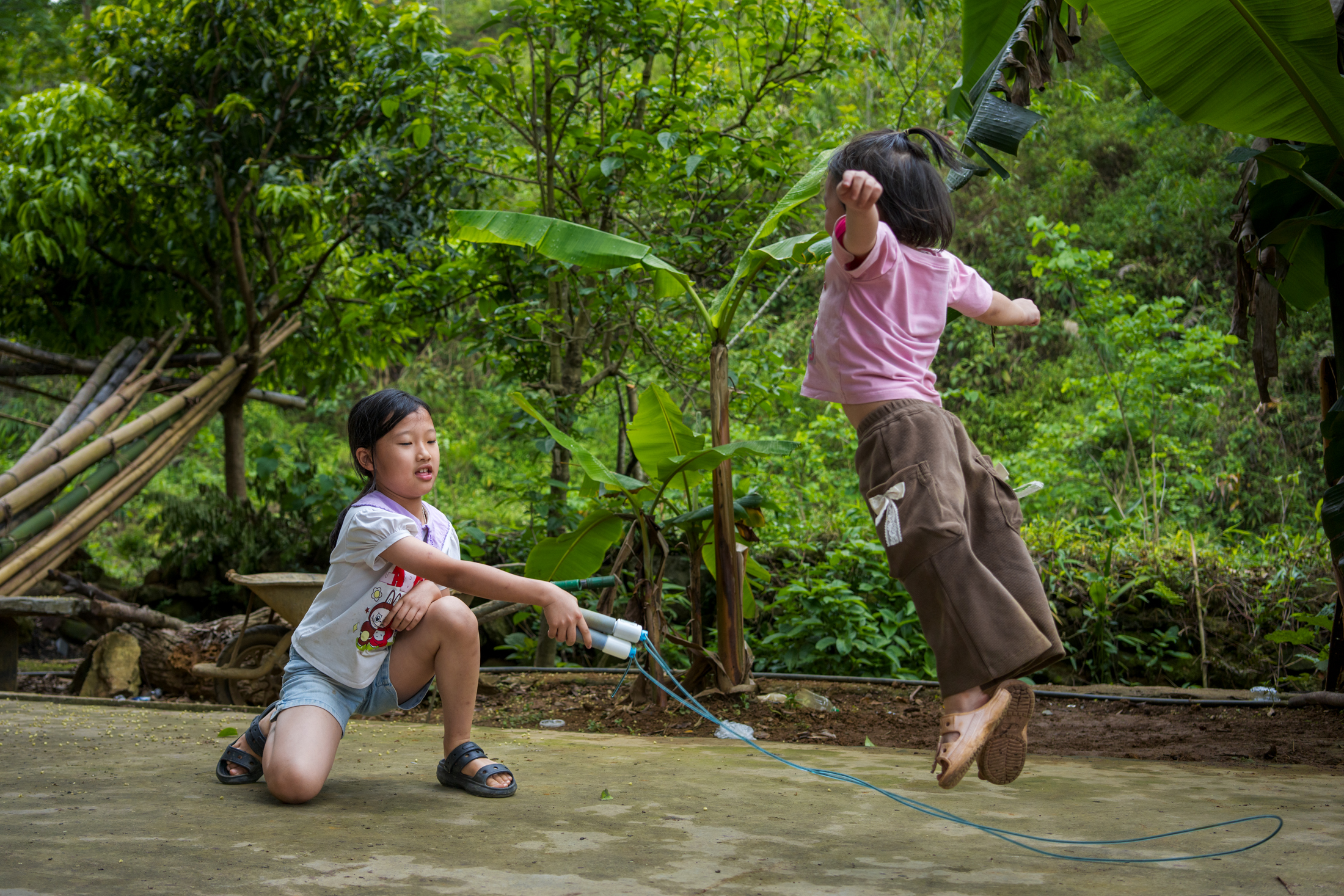
Children playing outside a wooden house while their grandparents sat nearby watching the world go by.
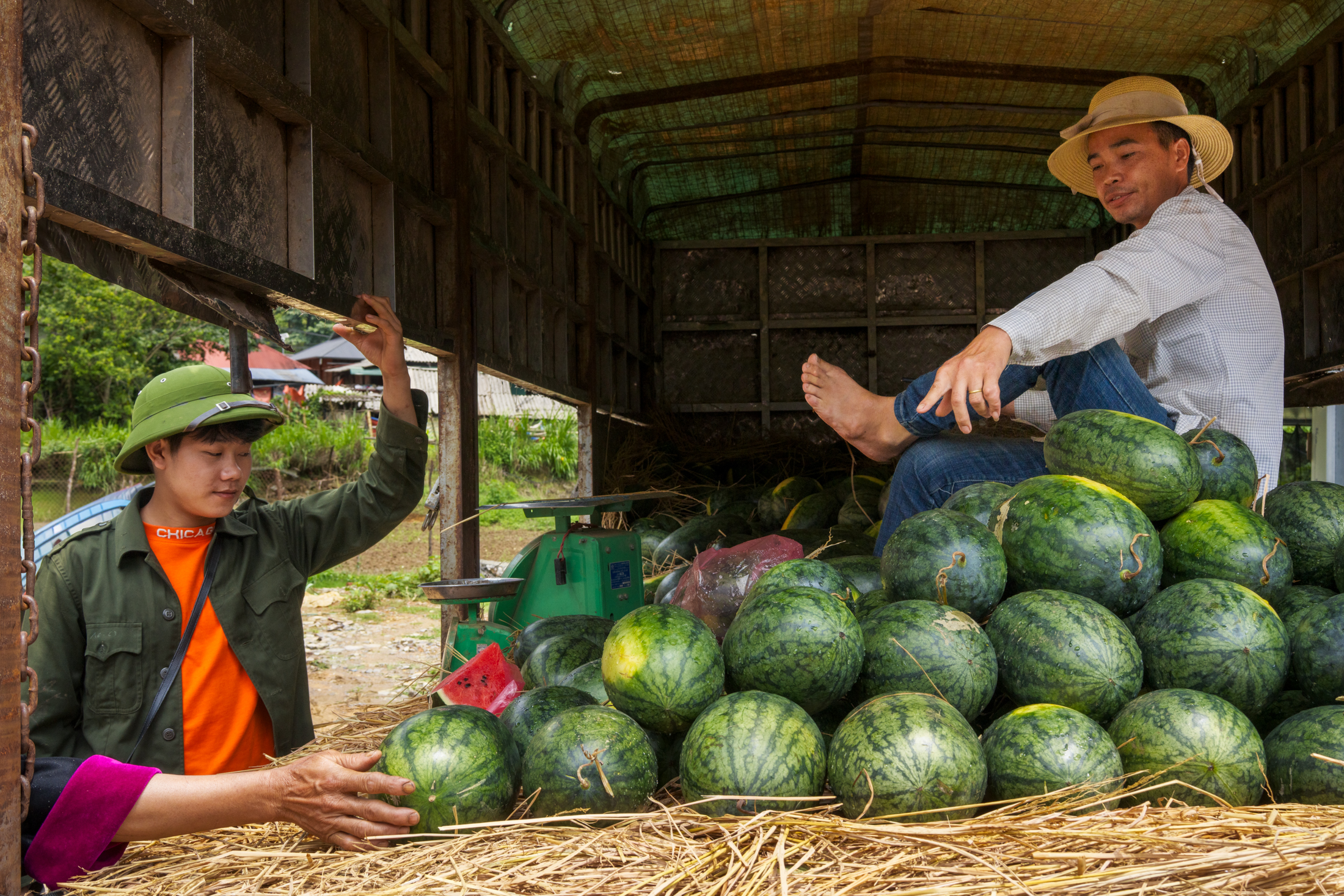
A brief exchange between traders at a market that lasted only a few seconds but somehow seemed to capture something of the character of the place.
Those are often the photographs that stay with me longest because they remind me not simply of what I saw, but of what it felt like to be there.
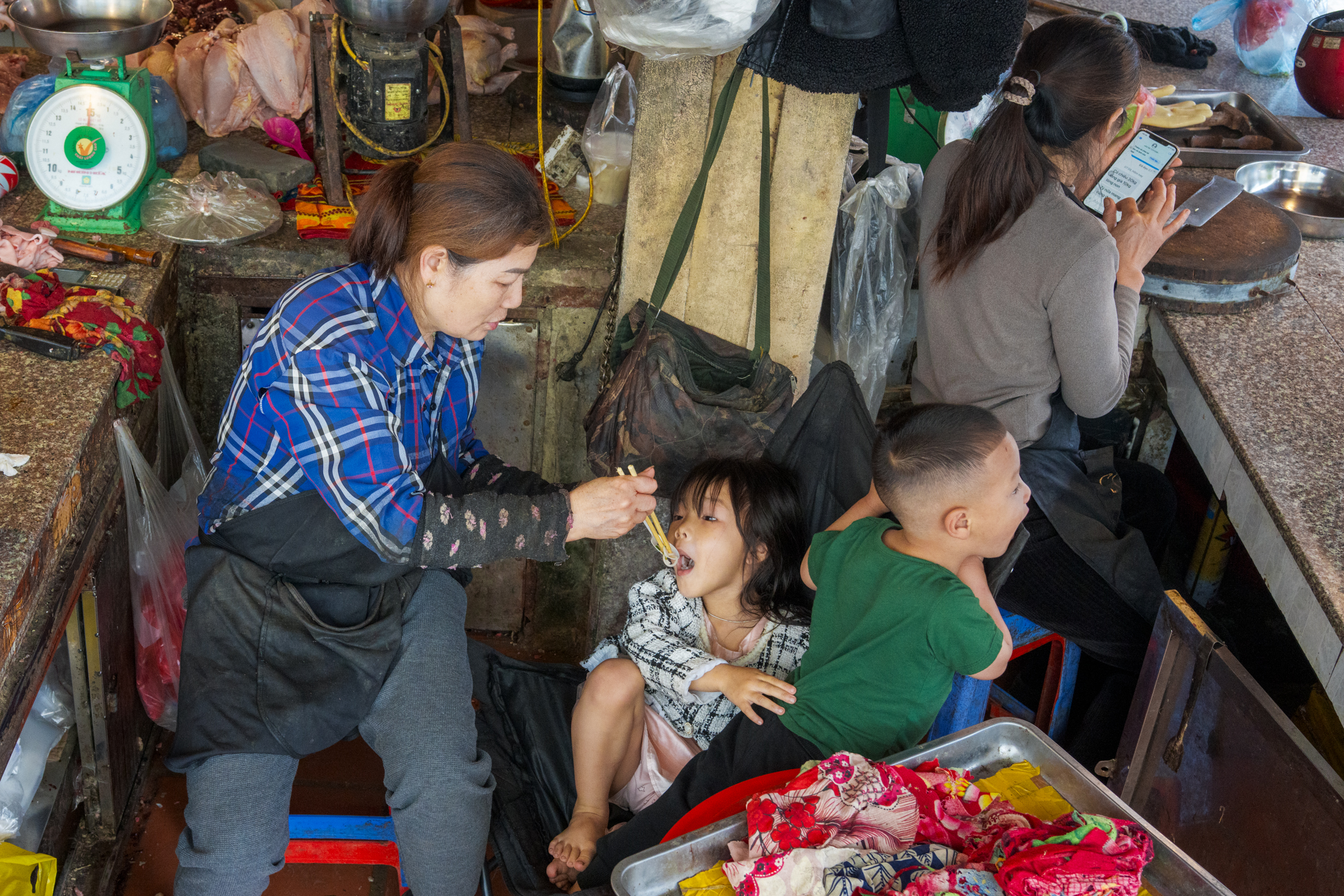
Photography has always given me an excuse to be curious about people. A camera can open doors, start conversations and create opportunities to engage with lives that might otherwise remain entirely separate from our own. Photographing Northern Vietnam offered countless opportunities to do exactly that.
For me, this is at the heart of documentary and travel photography. You can research a location, understand the light and know where you want to be, but you cannot plan the photographs that ultimately matter most.
Very often, the strongest images are the ones you never set out to make.
Around The Table
One of the things I remember most vividly from Northern Vietnam has very little to do with photography.
It was the food.
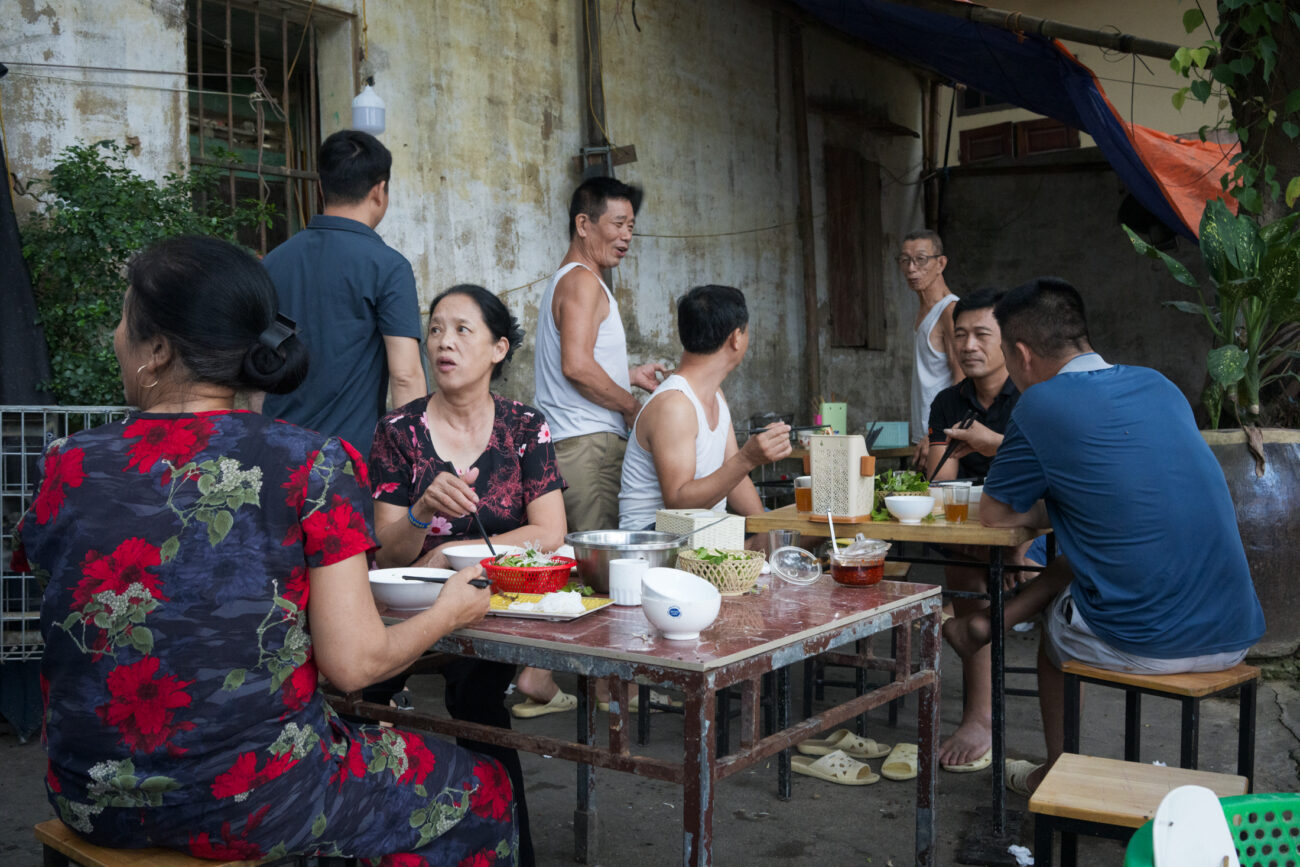
Almost every day seemed to end around a table somewhere. Sometimes it was in a busy restaurant in Hanoi; at other times, in a family home high in the mountains, where dishes appeared one after another with no real indication that the meal was ever intended to stop.
There is something about sharing food that transcends language. Conversations become easier, barriers begin to disappear and strangers can quickly become friends.
Some of my favourite memories from the journey are of sitting with local families, guides and fellow photographers long after the cameras had been put away, talking through the day and laughing about moments that had seemed chaotic at the time but were already becoming stories.
These evenings also reinforced something I have come to understand through years of documentary and travel photography. The strongest photographs rarely begin with the camera. They often begin with trust, curiosity and a genuine interest in the people whose lives you have been invited to photograph.
Spending time together away from photography changes the relationship. You stop simply observing from the outside and begin to understand a little more about the people, their families and their everyday lives. When the camera comes out again, that connection can make all the difference.
The photography may have brought us to Northern Vietnam, but it was often these shared meals, conversations and human connections that gave the journey its greatest value.
I’d tighten this and remove the awkward “Northern Vietnam Photography workshop” construction again. This feels like the reflective closing section, so it should bring together the journey, the photography and your philosophy without suddenly remembering that Google exists.
Looking Back
Looking back now, my original idea for the journey feels far too simplistic.
When I first began planning the Northern Vietnam photography workshop, I imagined a structured teaching trip followed by a personal adventure with friends.
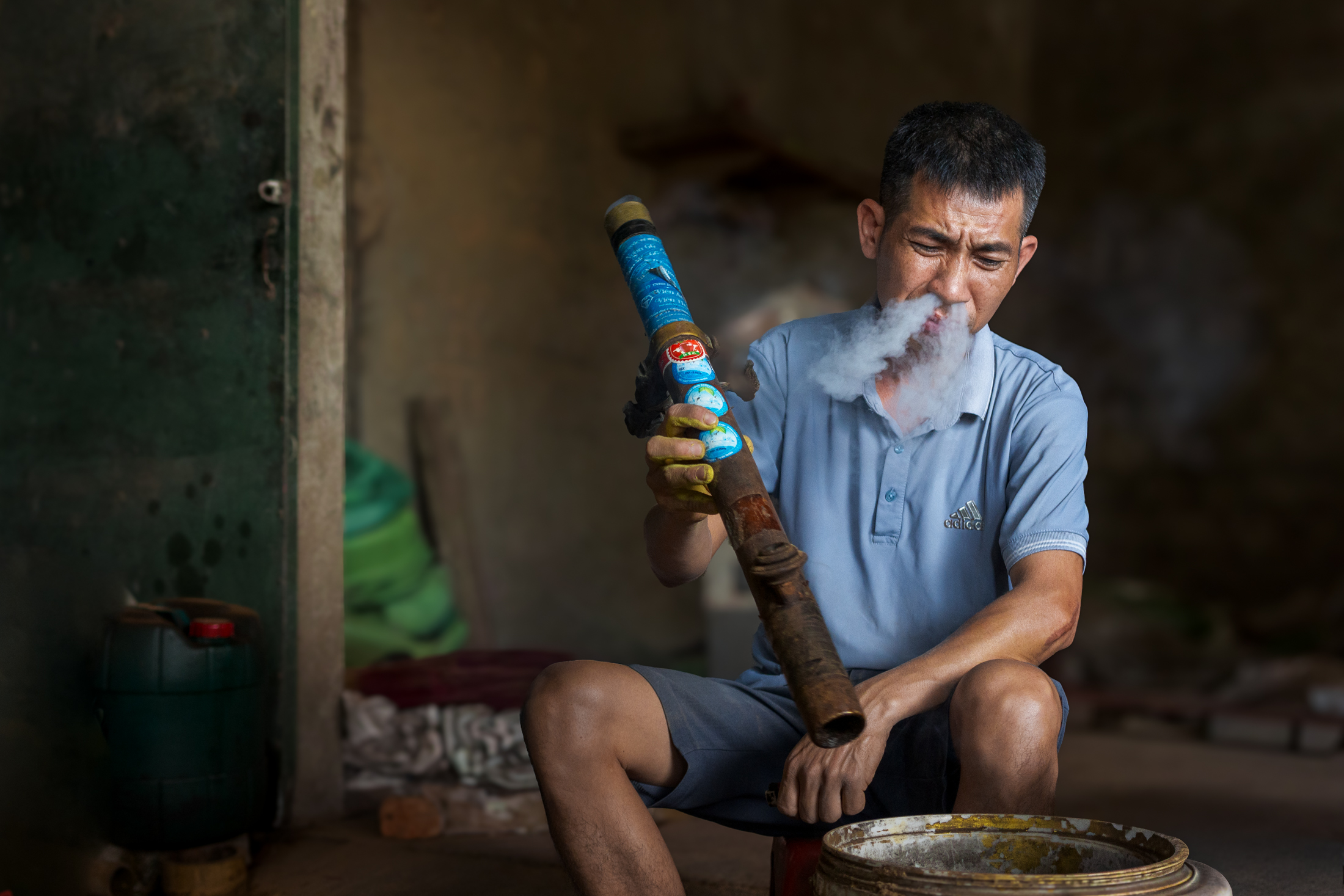
What unfolded over those four weeks became something much richer. We travelled from the energy and chaos of Hanoi to remote mountain communities close to the Chinese border. We met people whose lives were very different from our own, yet whose generosity and hospitality often felt instantly familiar.
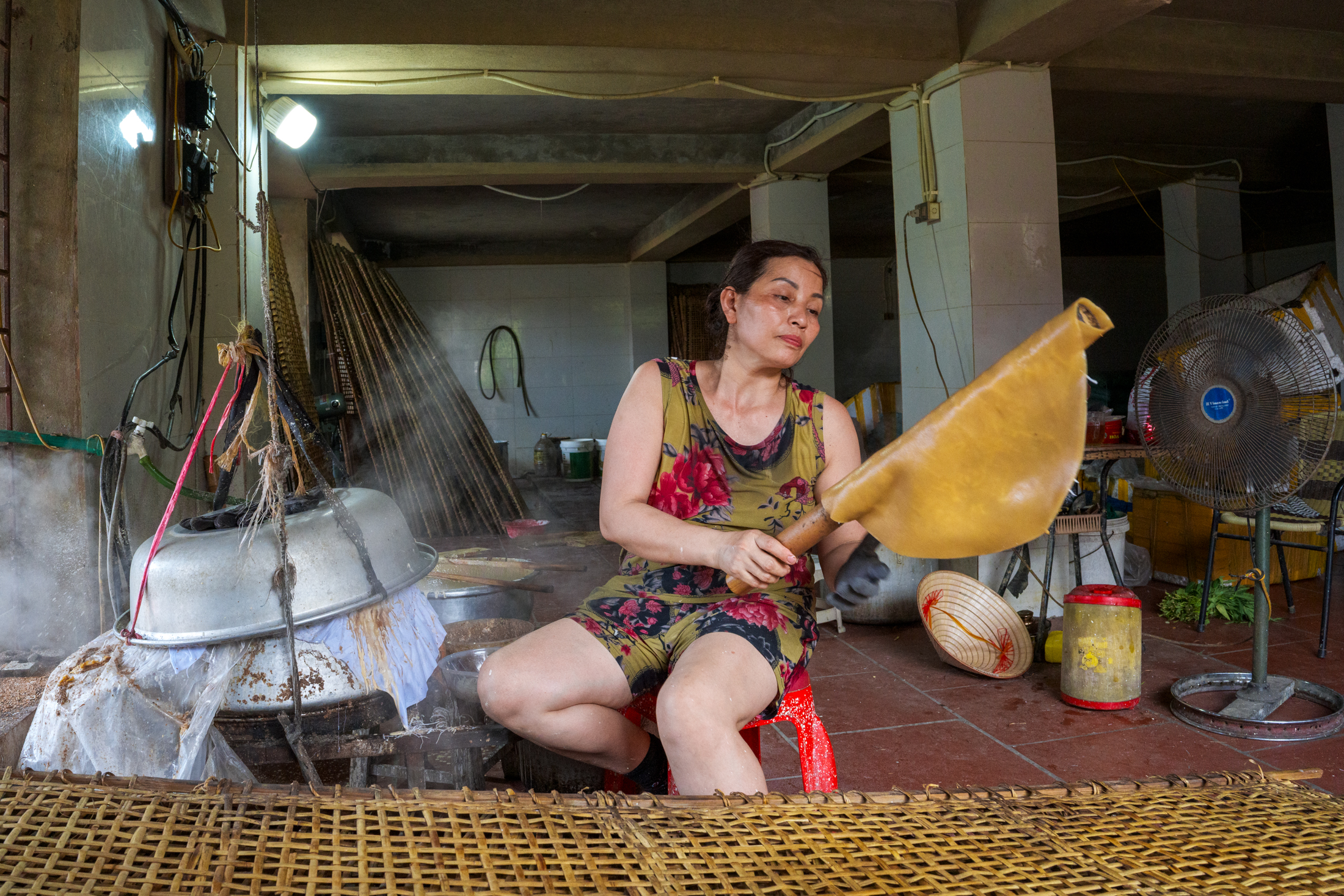
We photographed markets, villages, farms, workshops and extraordinary landscapes. But perhaps more importantly, we spent time listening, observing and learning about the people and places in front of us.
The photographs are, of course, important. They always are.
Yet the longer I work as a documentary photographer, the more I realise that the strongest bodies of work are rarely built from photographs alone. They grow from time spent in a place, from relationships, curiosity and a genuine connection with the people whose stories we are trying to understand.
That is what photographing Northern Vietnam ultimately gave me: not simply a collection of images, but a deeper understanding of the place and the people I had photographed.
And that, more than anything, is what keeps me wanting to return.
Looking Back
As I sit writing this and editing the thousands of photographs that came home with me, I find myself thinking less about individual images and more about the journey as a whole.
I think about the overnight train leaving Hanoi. The mist rolling through the mountains at first light. The laughter of children in villages where few foreign visitors ever arrive. The conversations shared with fellow photographers at the end of long days and the remarkable generosity shown to us by people we had met only hours before.
The Hidden North of Vietnam is not simply a place. For me, Northern Vietnam Photography is ultimately about people, tradition and the stories that connect them. For anyone interested in travel photography, documentary work or simply experiencing a different side of Vietnam, it remains one of the most rewarding destinations I’ve visited. It is a collection of people, traditions and stories that continue to thrive in one of the most beautiful regions I have ever visited.
I arrived hoping to make photographs.
I left with far more than that.
And I suspect I’ll be returning sooner rather than later.
For photographers willing to spend time beyond the obvious destinations, Northern Vietnam Photography offers an experience that is as rewarding culturally as it is visually.
Photograph Northern Vietnam with me
If Northern Vietnam has taught me anything, it is that the best photographs come from having time to look, understand and become part of what is happening around you.
I return to Vietnam to lead small-group photography journeys built around exactly that idea: travelling slowly, working with trusted local people and creating opportunities to photograph everyday life beyond the places most visitors see.
These are not conventional photography tours. They are journeys for photographers who want to experience a place properly, develop their documentary and street photography, and return home with photographs that tell a story.
Explore Northern Vietnam Photography Journeys →
Explore more:
Vietnam Photography Gallery · Photography Mentoring